


Photo by Nick Iwanyshyn
Culture & Society
Understanding Repetitive Behaviours in Autism
A workshop explores how rhythm and pattern can soothe, express and build connection
Using markers, scissors, fidget spinners and other “stim” tools, participants in this Blackwood Gallery workshop intently trace and collage patterns on paper. They are exploring “stimming” – self-stimulatory behaviours often associated with neurodivergence.
Led by filmmaker Steven Eastwood and artists from the U.K.’s Neurocultures Collective – the “Co-creation as Stimming” session was part of the gallery’s three-day Oughtism conference on neurodivergent art, culture, and experience in early February.
Expressed through repetitive physical movements, stimming can help filter sensory input to ease anxiety or generate delight.
While everyone stims to some degree, the behaviour is more common – and often more visible – among autistic people, who may process sensory information differently.
Funded by U of T Mississauga and the Jackman Humanities Institute, the Oughtism conference featured interdisciplinary talks on neurodiversity, disability and creative practice. It was part of the Blackwood Gallery’s year-long exploration of neurodivergent experiences.
Most Popular

A New Way to Protect Your Teeth
A U of T alum’s dental chew aims to tackle one of the world’s most widespread – and overlooked – health problems Read More

She Designed a Water-Purifying Molecule at 17
Now a U of T student, Diana Virgovicova is using AI to help tackle global water pollution Read More
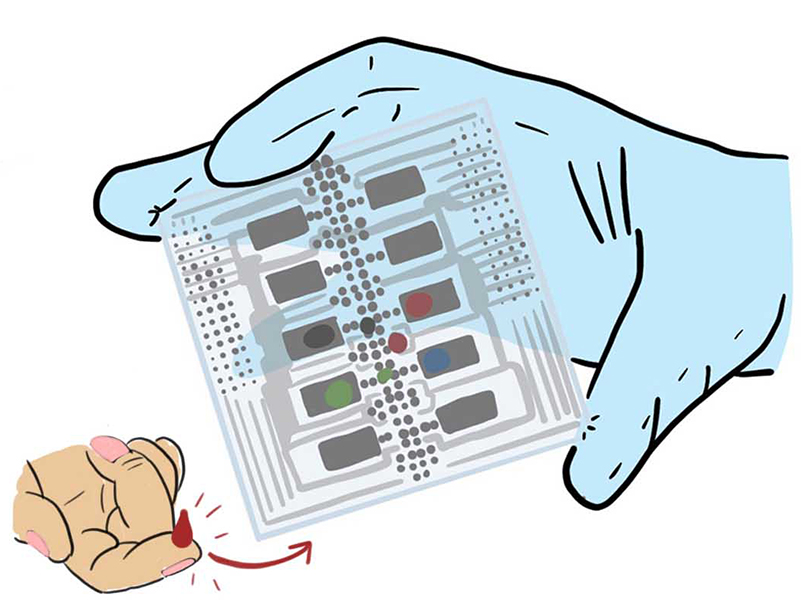
A New Way to Monitor Heart Patients
“Lab on a chip” technology will reduce travel expenses and improve care for those living in remote communities Read More

No Responses to “ Understanding Repetitive Behaviours in Autism ”
Interesting.