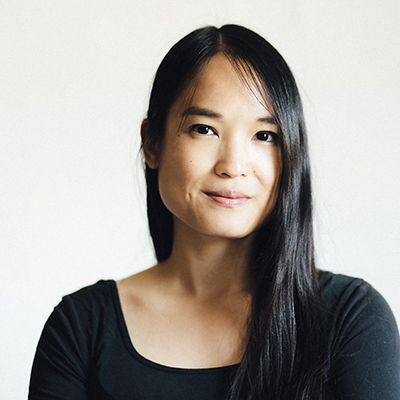
Leanne Toshiko Simpson, who earned a degree in creative writing from U of T Scarborough and is director of literary programming at Trinity College, released her debut novel, Never Been Better – which she describes as a “mental health comedy” – in 2024. After being diagnosed with bipolar disorder, she discovered that writing could support her path forward.
Tell me about how creative writing helped you after you were diagnosed with bipolar disorder.
It was hard living with a disruptive diagnosis. Creative writing classes helped me find humour in my experiences moving through the mental health system. Obviously, it’s not all laughter. But humour became a tool to cope with what I was living through. When it came time to publish my first book, I returned to comedy because I believed people with mental illness deserved happy endings too.
How much is Never Been Better inspired by your real life?
The novel is fiction. I have never been in a love triangle or to a destination wedding. But one thing that is true in the book is the sense of relief I felt in the psychiatric ward of not having to pretend I was fine. You meet people who are there for the same reason, and the only thing any of us want is to be able to live our lives again. And so, we’re able to be radically honest with each other. The conversations you have and the friendships you make – you feel like you’re on the same team.
One of your characters, Misa, is Japanese Canadian and hides her mental health struggles from her family. Why was that important to include?
I’m fourth-generation Japanese Canadian, and in my community, mental illness is something you cover up – you don’t want your family or friends to know. What I hope the book does is make conversations about mental health easier. People tell me they give the book to someone in their life who is struggling, because it’s a fun, accessible way to say, Hey, does any of this sound familiar? Is there something you want to talk about?
You use the term “mad” frequently in your writing and work. Can you talk about that?
To me, creating mad art is about stripping the fear from that word and leaning into the wisdom, perspective and community that madness can offer us – if we pay attention. It is a reclamation of a word too often used against us, and a reframing of what our difference can be.

You now teach writing to students at Trinity College. Do you draw inspiration from any of your past professors?
Daniel Scott Tysdal, who runs the creative writing program at UTSC, is quite open about living with madness. His work often delves into it, most notably in his 2022 collection The End is in the Middle. When you’re an undergrad, you think your professors are infallible. So, it was so incredible to meet a professor who seems to know everything but at the same time brings vulnerability and emotion to his teaching – who doesn’t hide who he is, so I didn’t feel like I had to either. That’s how I teach my students. Most of them know that I live with mental illness.
How have you extended your teaching outside of the university?
I have taught creative writing workshops for mad folks – at community organizations in Toronto, CAMH, and at Fountain House in New York City, which the world’s largest mental health clubhouse, where I’m a writer-in-residence. I didn’t want to teach only at universities. Good scholarship is grounded in community. The art that we’re creating in these mad writing workshops is a reminder that we deserve to be here and narrate our own stories – something the medical system doesn’t always give us. I think it’s a powerful tool for advocacy.
What are you working on now?
I’m writing the final chapter of my thesis on Japanese Canadian internment – it’s intergenerational research that feels deeply personal. It’s also not what most people expect from a comedy writer! I’m co-editing an anthology of Japanese Canadian writing with Kerri Sakamoto and Michael Prior, out this fall with Véhicule Press. And I’m three-quarters done my second novel: another comedy, but about OCD, which I also live with. It’s a story about chosen family and giving yourself permission to fail.
Favourite comedian?
A tie: Taylor Tomlinson and Atsuko Okatsuka
Recommended reading?
Birds Art Life by Kyo Maclear
Guilty pleasure?
Eating crunchy Cheetos with chopsticks
Most Popular

She Designed a Water-Purifying Molecule at 17
Now a U of T student, Diana Virgovicova is using AI to help tackle global water pollution Read More
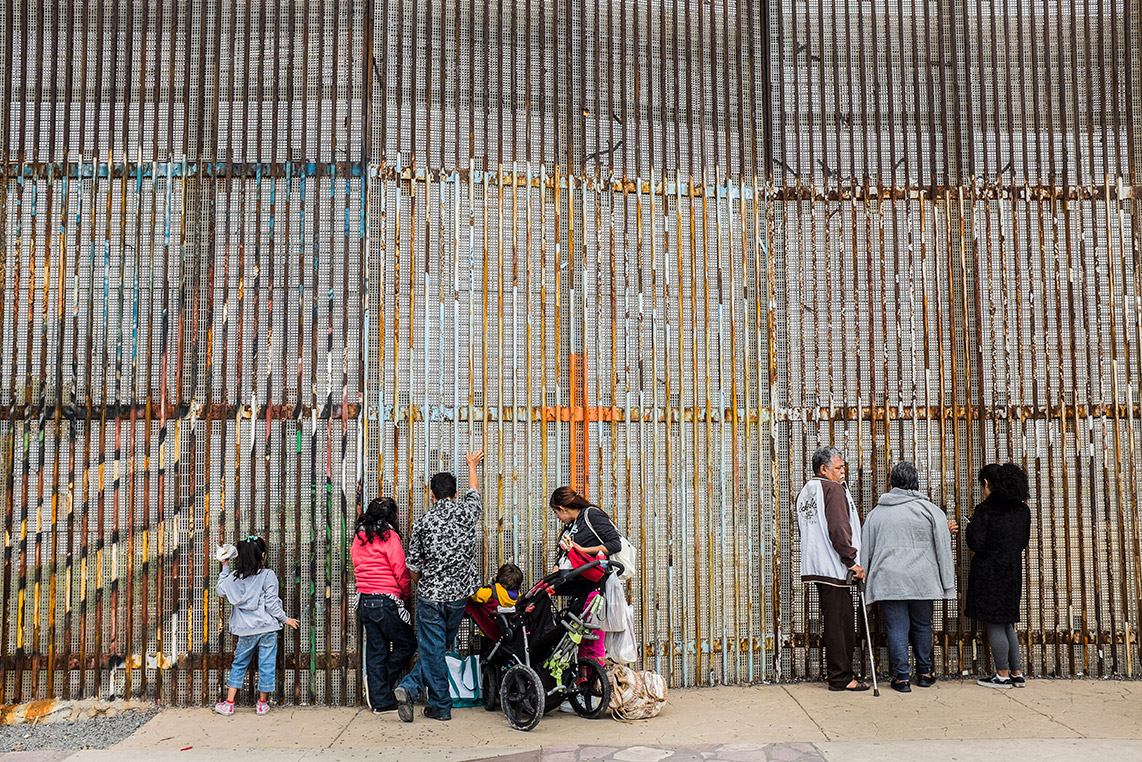
What Do Borders Really Do?
Lines on a map confer advantages on some and exclude others. This serves political needs, but is it morally just? Read More
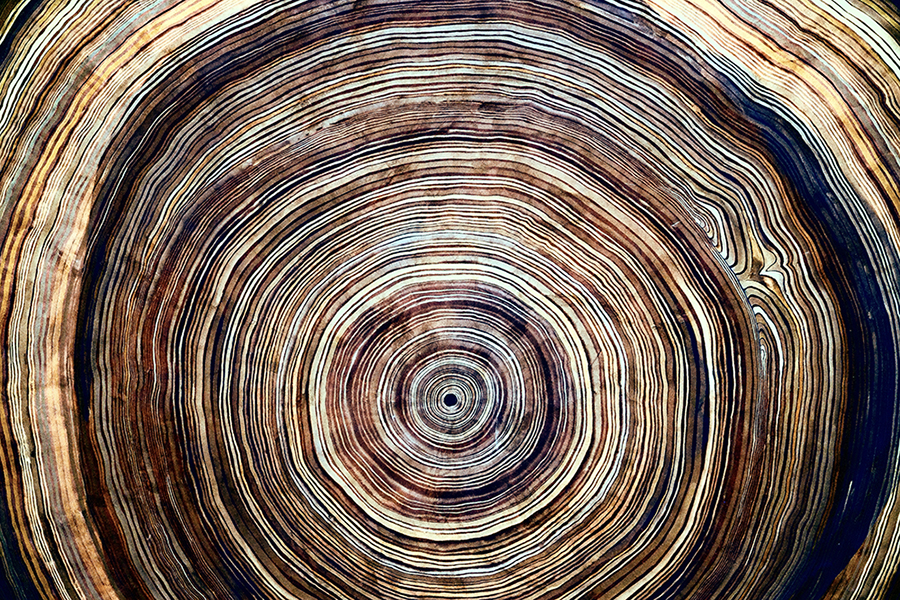
Solving a Climate Puzzle, One Tree Ring at a Time
A natural archive reveals how Canada’s arctic climate has changed over the past 1,000 years Read More