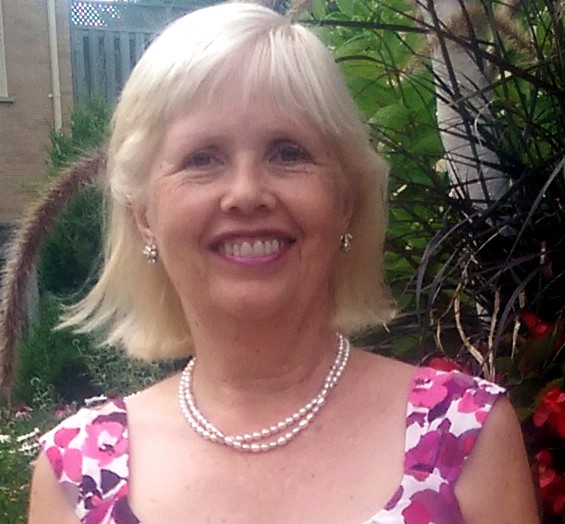
On the set of Bloodletting & Miraculous Cures, Dr. Vincent Lam (left) sees eye-to-eye with Mayko Nguyen as Shawn Ashmore looks on. It’s amusing that Lam’s short story collection of the same name has turned into a TV series – because Lam (MD 1999) doesn’t own a TV. “I’m what is known as a late adopter of technology,” he quips.
Lam’s short stories, which chronicle the moral dilemmas that physicians face, often focus on Fitz (played by Ashmore) and Ming (played by Nguyen). In 2006, Lam became the youngest and only first-time author to win the Scotiabank Giller Prize, Canada’s largest annual fiction award. These days, when not practising in Toronto East General Hospital’s emergency room, he is writing his first novel, Cholon, Near Forgotten. It’s about Percival Chen, a character inspired by Lam’s grandfather, who was a headmaster in Vietnam. Chen is a character in the TV series, too. In his final days, when he is very ill, Chen has to choose between ancient remedies and his grandson’s high-tech interventions. The eight-episode series is on the Movie Network and Movie Central beginning in January.
Recent Posts
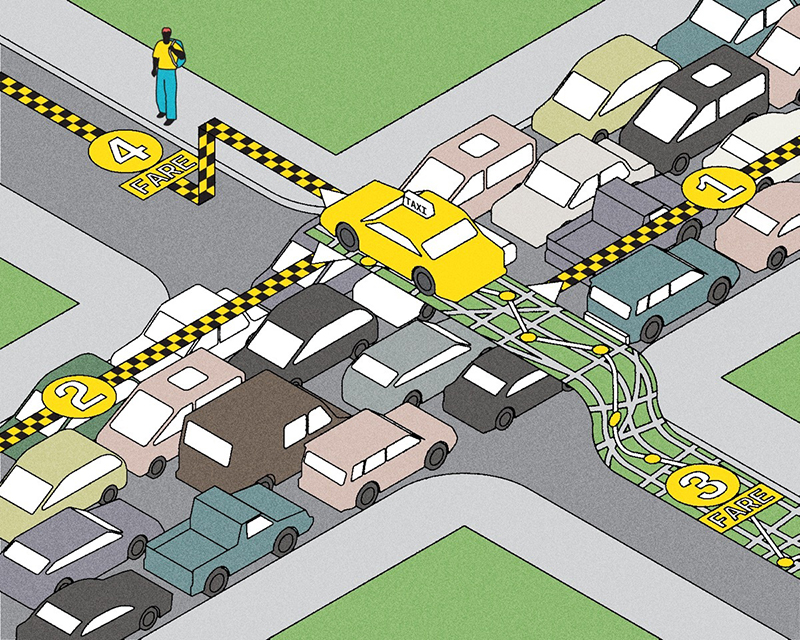
People Worry That AI Will Replace Workers. But It Could Make Some More Productive
These scholars say artificial intelligence could help reduce income inequality
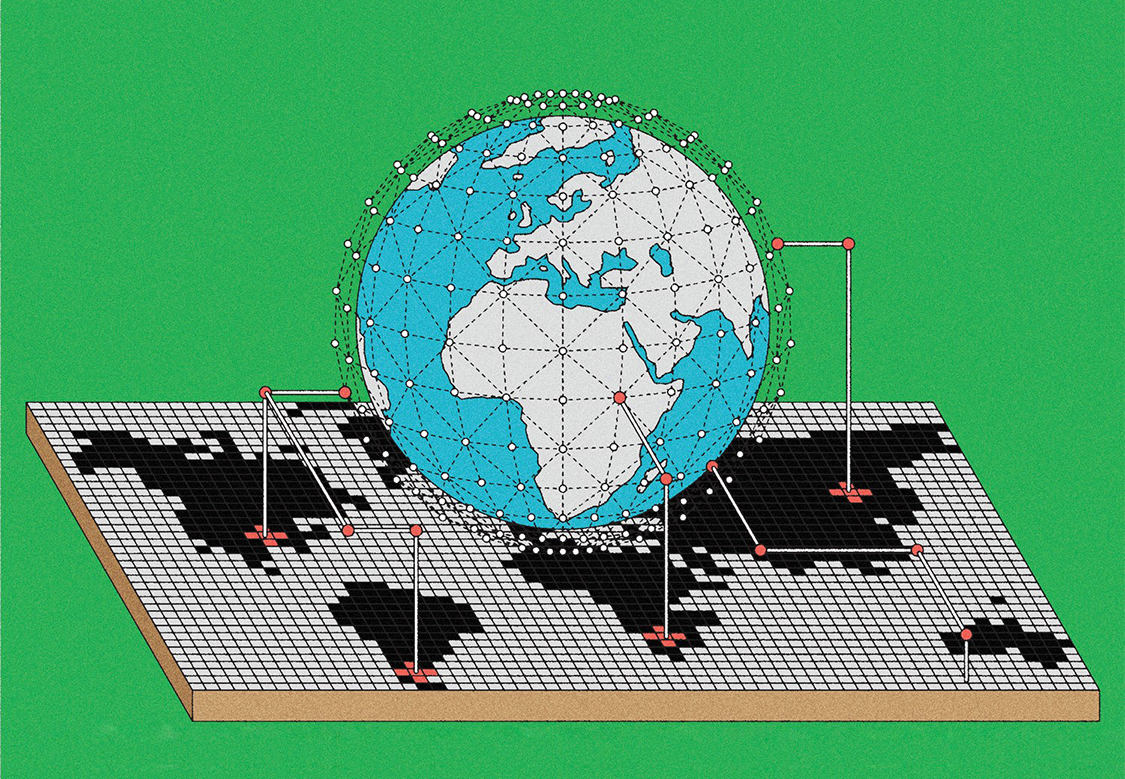
A Sentinel for Global Health
AI is promising a better – and faster – way to monitor the world for emerging medical threats
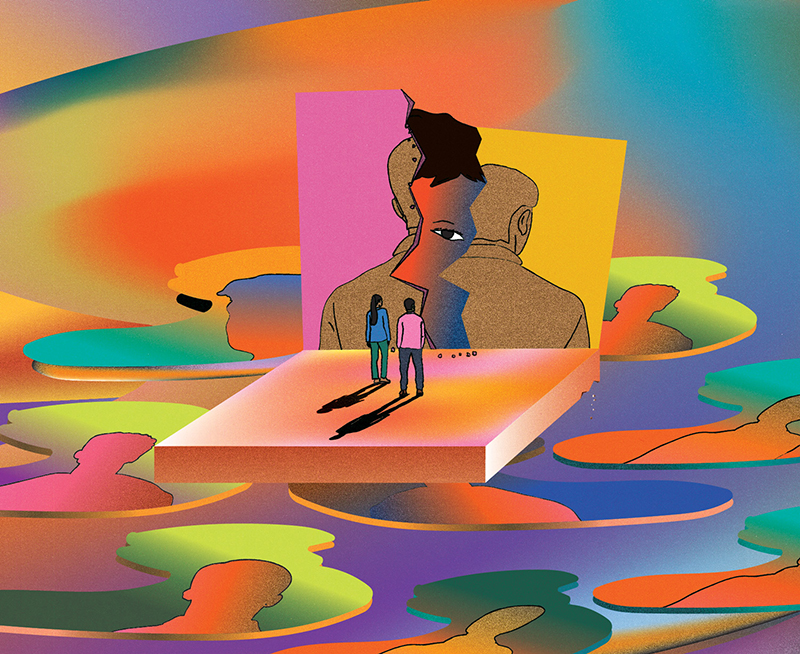
The Age of Deception
AI is generating a disinformation arms race. The window to stop it may be closing