


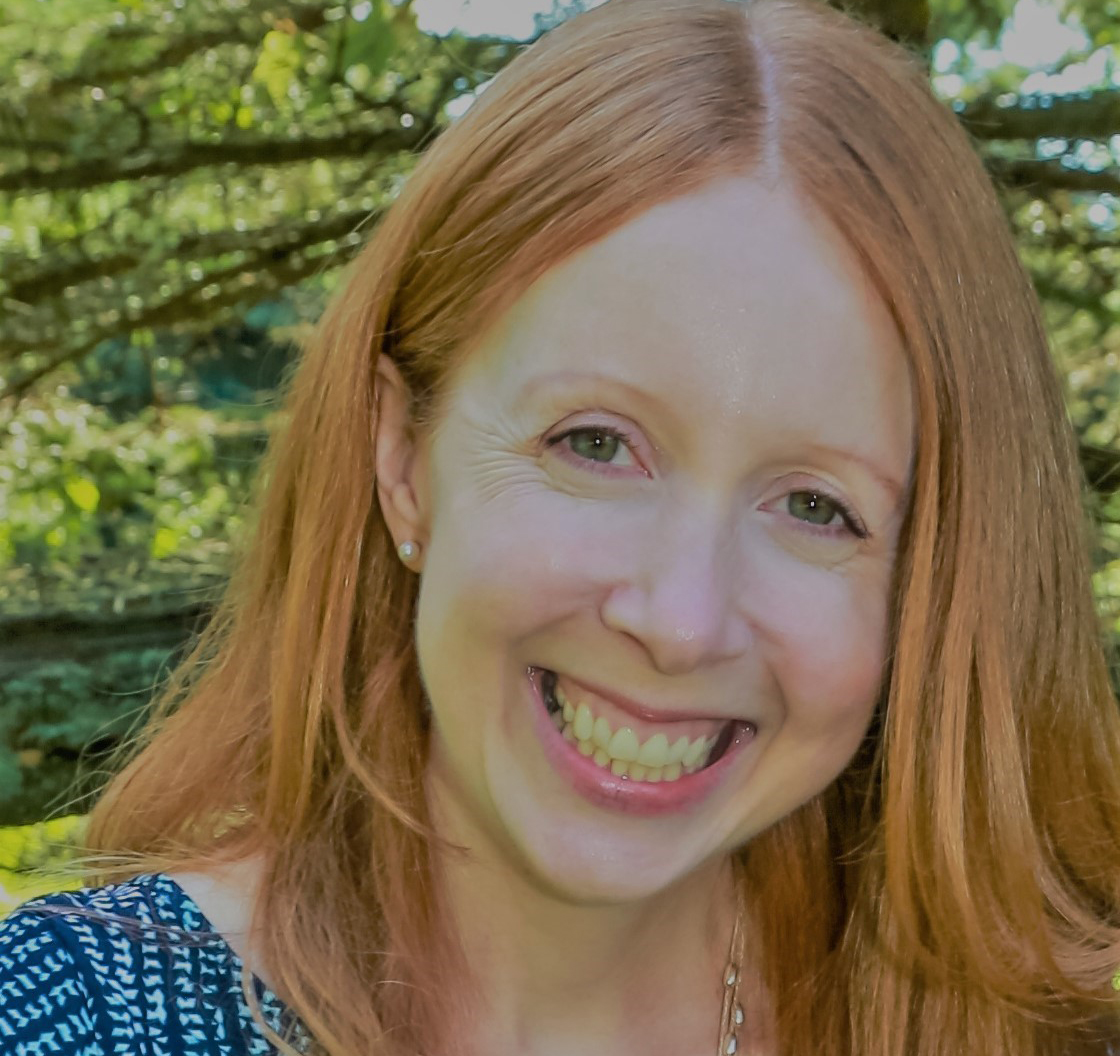
Diana Virgovicova. Photo by May Truong
She Designed a Water-Purifying Molecule at 17
Now a U of T student, Diana Virgovicova is using AI to help tackle global water pollution
On a backpacking trip in her teens, Diana Virgovicova saw the black, waste-filled rivers of Mumbai and decided she wanted to help clean the world’s water.
At 17, she designed a molecule that could help purify water using visible light. Today, the U of T engineering student is the co-founder of Xatoms, a startup using AI and quantum chemistry to speed up the discovery of new water-cleaning materials. The company has attracted nearly $4 million in grants and investments.
Writer Megan Easton spoke with Virgovicova shortly after she returned from the 2026 World Economic Forum in Davos, where she spoke briefly with Canadian Prime Minister Mark Carney about the potential for Xatoms to help clean water in Indigenous communities in Canada.
Of all the world’s crises, why did you choose water pollution?
More than two billion people don’t have access to clean water, and that leads to a lot of diseases. Women and girls spend hours a day collecting clean water instead of getting an education.
What was different about the water purifying molecule you first discovered at 17?
Photocatalysts had been around for 40 years, but they were UV-activated. I modelled a molecule that uses visible light – sunlight or LED light – to break down pollutants in water and make it safe. It’s more affordable and convenient because it doesn’t require expensive UV reactors.
What is Xatoms focused on?
We’re combining AI and quantum chemistry to speed up the discovery process and determine which potential photocatalysts are most durable and efficient in absorbing light. We turn the most promising ones into powder in our lab and test them. Over the last six months, we’ve discovered 25 more patentable photocatalysts.
How does this photocatalyst powder work?
The powder coats water filters or is added directly to polluted water. It can be reused for months, which saves money. Before, our photocatalysts only broke down organic contaminants. Now they can also neutralize heavy metals in water.
Why is the need for new water-cleaning technologies becoming more urgent?
Water contaminants are becoming more complex not only to detect, but to destroy. And the world can’t wait for the water to get better. We need innovative solutions now.
Why did you choose U of T – and how has it nurtured the growth of Xatoms?
The university is world-renowned for its research. And I received full funding through the Lester B. Pearson International Scholarship. U of T’s startup resources, such as UTSC’s BRIDGE accelerator and UTM’s SpinUp wet lab incubator, have been instrumental for Xatoms. We now have 11 full-time employees and a patent-pending discovery engine.
What has been most challenging about running a startup as a student?
You need to deal with a lot of rejection and rely on your gut in some situations. You don’t learn these things in school.
Has being a young woman entrepreneur added to the challenges?
There aren’t many women starting ventures in deep tech, where we’re using science-based technology solutions. And only about two per cent of venture capital goes to companies founded by women. So, of course, there are some biases against female founders, and there’s some caution around investing in young, first-time founders. Building credibility took time. Winning different innovation competitions and learning to communicate clearly and confidently to potential investors helped.
You travelled a lot with your mom when you were young. Did that experience help prepare you for now?
My mom doesn’t speak English, so I was doing almost all the planning. Figuring out where we’d sleep each night and how to get from point A to point B taught me to execute quickly under pressure. I also learned not to be afraid to ask for help when I needed it.
What keeps you up at night as CEO?
The responsibility to keep the company running for our employees and their families. It’s a whole different set of concerns from when we were three student co-founders. With clients in textiles, mining and agriculture, and as we expand into pilot water purification programs in Canada, the U.S., and developing countries, that responsibility only grows.
This conversation has been edited for clarity and flow. A slightly different version of this Q&A appears in the Spring 2026 print issue of University of Toronto Magazine.
Most Popular

A New Way to Protect Your Teeth
A U of T alum’s dental chew aims to tackle one of the world’s most widespread – and overlooked – health problems Read More
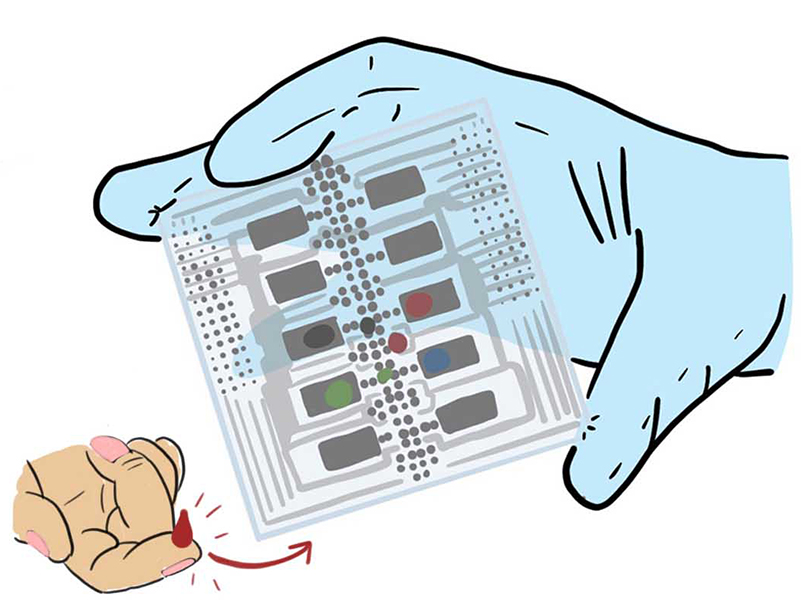
A New Way to Monitor Heart Patients
“Lab on a chip” technology will reduce travel expenses and improve care for those living in remote communities Read More
She Designed a Water-Purifying Molecule at 17
Now a U of T student, Diana Virgovicova is using AI to help tackle global water pollution Read More
No Responses to “ She Designed a Water-Purifying Molecule at 17 ”
Incredible work! Diana and her team are doing such important work that will truly save lives, prevent disease and improve the quality of life for so many people. Kudos!
What incredibly important work by such an inspiring person. It's fascinating what Xatoms is doing.
Bravo for thinking about a problem "outside of the box" and then working diligently to find a solution.
How can I find out more about this technique? I would be interested in learning more. I graduated with degrees in science and dentistry. Fantastic idea!
It is great to hear about Diane and her team's water-cleaning initiative. I am especially interested because I come from Kitengela, Kenya, where groundwater contains high levels of sodium. Many people rely on boreholes, but the water is too salty to drink, so they have to buy bottled or tap water from other sources. I am writing to Diana to see if her research might offer ideas for helping people in my village turn this important resource into safe drinking water.