Peer Pressure
A nursing prof is using social networks to help reduce the spread of HIV-AIDS in Ghana Read More


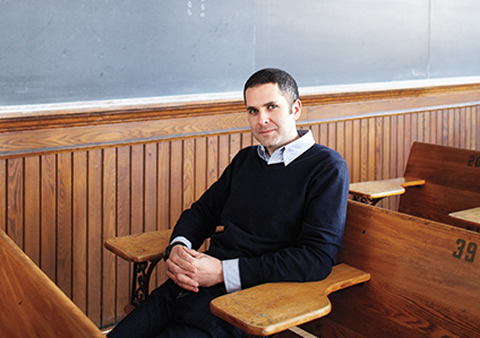
In which God may or may not be Margaret Atwood Read More
What one of the world’s largest mortality studies is teaching us about public health Read More

A University of Toronto lab is harnessing computers to make life better as we age Read More
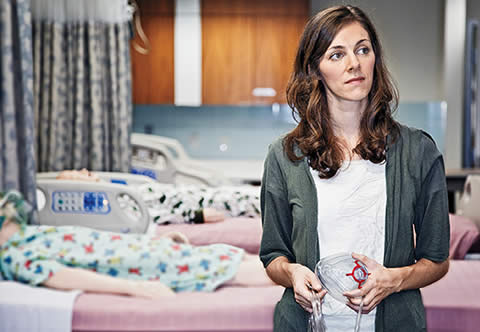
Bev Bradley is developing technology to give hospitals in low-income countries a more reliable supply of medical oxygen Read More
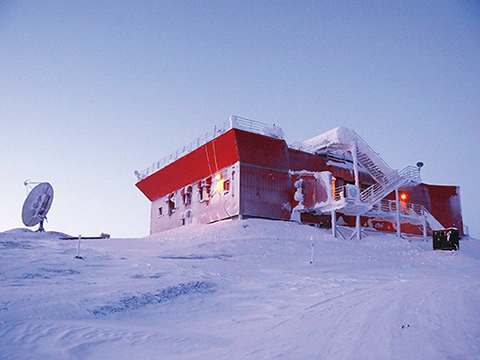
Clear and dark during the winter, Canada’s North is the perfect place for a new U of T astronomy project Read More
U of T’s “technopreneur” program gives scientists such as Mallika Das a crash course in running their own company Read More
How should employment insurance be reformed? Read More

Software developed at U of T can compose music in classical, pop or jazz styles – and as a solo or an ensemble of different instruments Read More

What principles should guide how a city develops its waterfront? Read More

“Computers” have assisted humans through history Read More
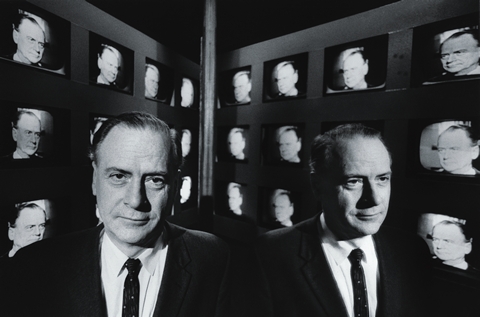
Fifty years after the publication of his most famous works, we’re still making sense of all Marshall McLuhan had to say Read More

Doctors have been trying for decades to classify mental illnesses. So why do precise definitions still elude us? Read More
Modern life is 24-7, but there may be negative consequences to defying our body's internal clock Read More
Master’s student Eric Wan helped develop software that allows anyone, including people with severe physical disabilities, to make music Read More

Student-developed app helps people with speech problems express themselves – at a fraction of the cost of other devices Read More
A criminology student questions long-standing assumptions about women and domestic violence Read More
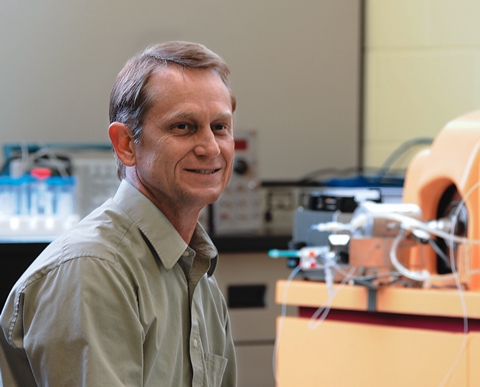
A technology developed at U of T to analyze cells could lead to earlier disease diagnoses and more targeted treatments Read More
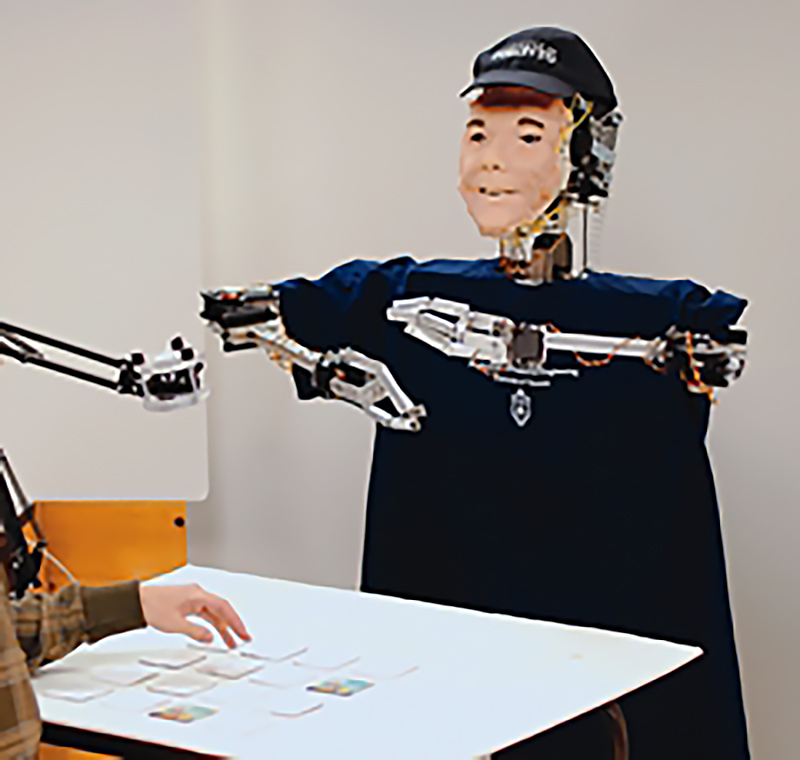
Advances in technology are bringing us robots that can interact naturally with humans Read More

With the markets betting on a Greek default, and the situation in Spain deteriorating, a second global financial crisis looms Read More

Professor Leah Cowen is researching a way to lower drug resistance in fungi Read More

Do some cultures have better “gaydar” than others? Read More

U of T researchers suggest life’s early years might be even more important than we thought Read More
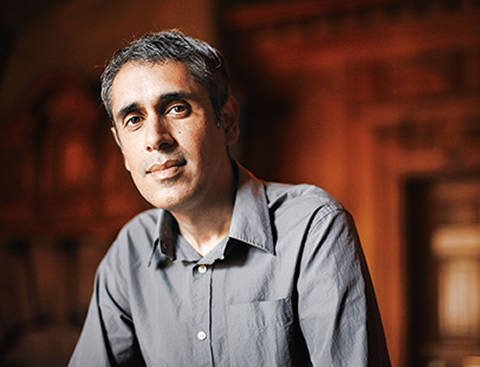
Human rights researcher Samer Muscati helps Iraqis find justice in a nation beginning to rebuild Read More
Mark Tanz’s $5-million gift will support research into Alzheimer’s and other neurodegenerative diseases Read More

A new way of peering inside teeth could find lesions before they become cavities and eliminate the need for “drilling and filling” Read More
What can you write in less than 25 words? Read More
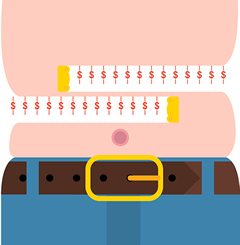
Should people get paid for shedding weight and pursuing a healthier lifestyle? Read More

Pictures of animals through history reveal how our thinking about them has changed Read More

Will the uprisings across North Africa and the Middle East usher in lasting change? Read More
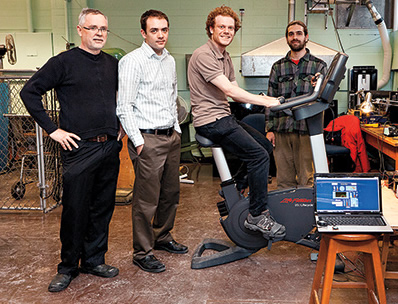
Why not use exercise bikes to supply electricity back to the grid? Read More
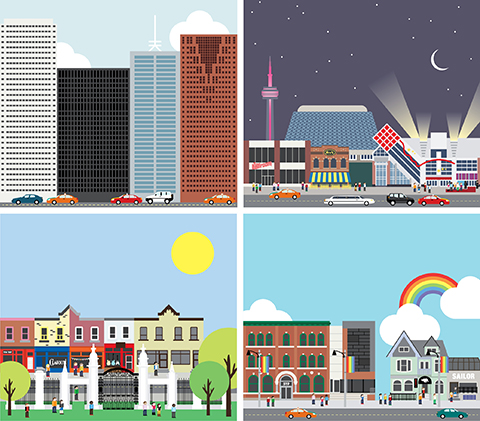
Professor Dan Silver comes up with a new way of looking at cities Read More

It seems young men fight primarily to gain the approval of … other men Read More
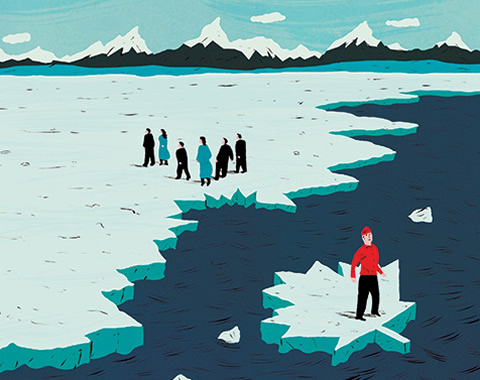
What does Canada stand for now? Have we lost our international reputation as a nature-loving, peacekeeping haven for newcomers? Read More

Scientist Stephen Scherer aims to uncover the genetic causes of an incurable neural disorder Read More

Women who exercise strenuously may be at greater risk of developing dementia later in life, study finds Read More

What do Arabic translations of Christianity’s holy book reveal about three of the world’s great religions? Read More

Instead of fighting bureaucratic inefficiency, why not go around it? Read More

Sometimes, being unemployed can be positive - it depends on who you ask Read More

A new technique using light and metal nanoparticles could help save lives Read More
For almost half a century, computer chips have doubled in power every 18 months. But this may not hold true for much longer, says Eugene Fiume Read More
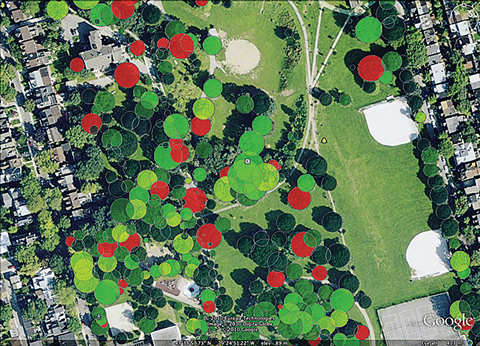
"Neighbourwoods" uses Google Earth to share info about the health of city trees Read More
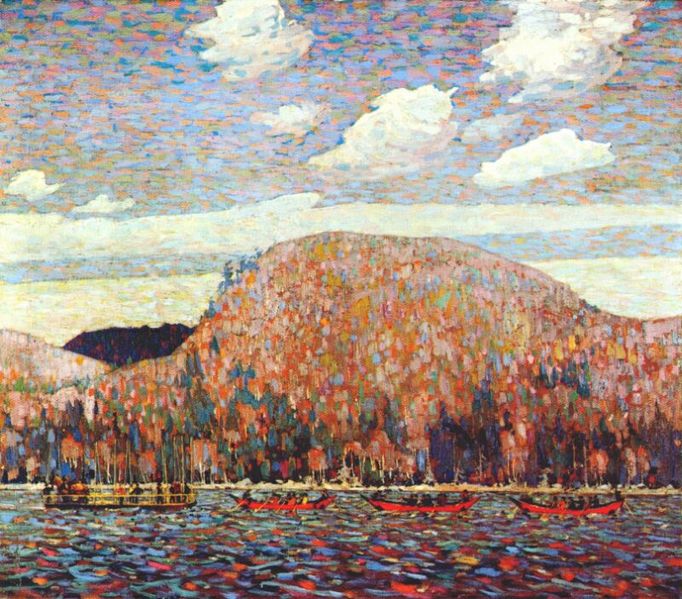
A U of T team finally settles the question of where Tom Thomson was buried Read More
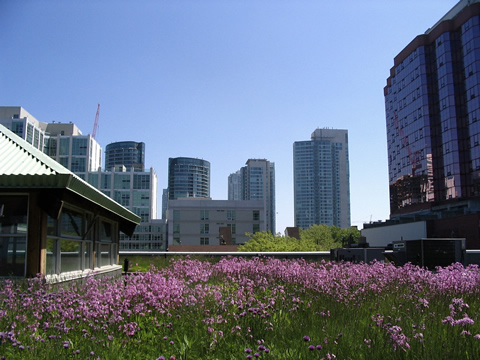
Engineers are using the idea of "urban metabolism" to design more sustainable neighbourhoods Read More
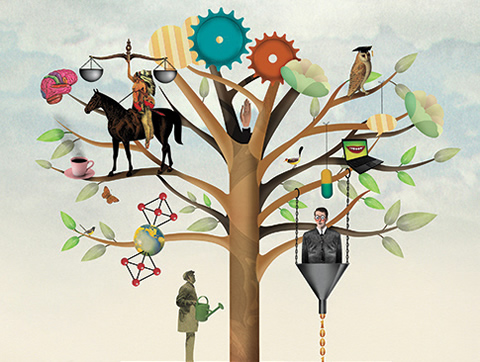
Ten concepts that could shape the future: from digital credentials to safer drugs to DNA-tailored diets and more Read More