Who Cares for the Caregivers?
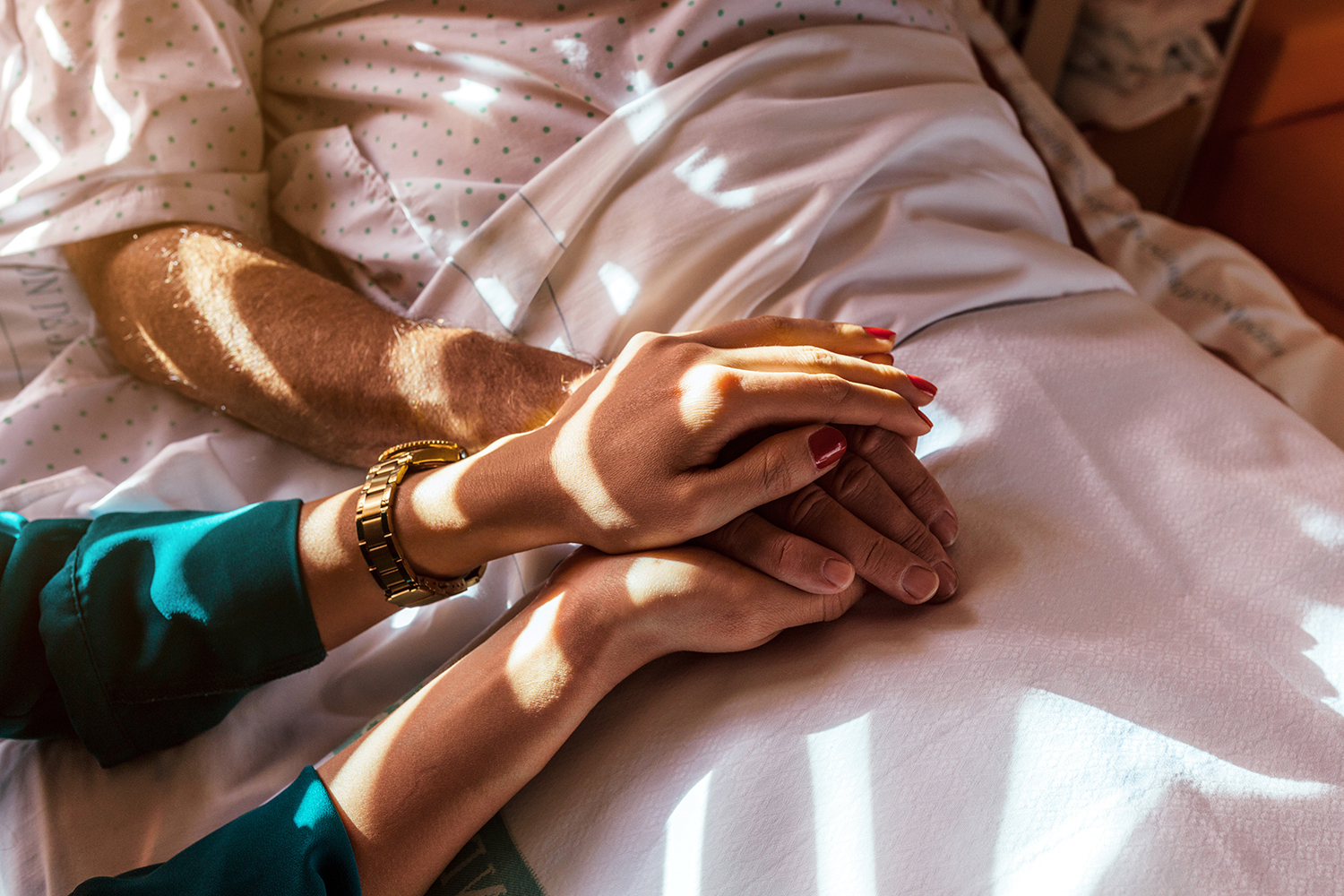
There is a steep personal cost to caregiving, from chronic stress to physical injury. How can we help those who minister to family and friends? Read More


There is a steep personal cost to caregiving, from chronic stress to physical injury. How can we help those who minister to family and friends? Read More
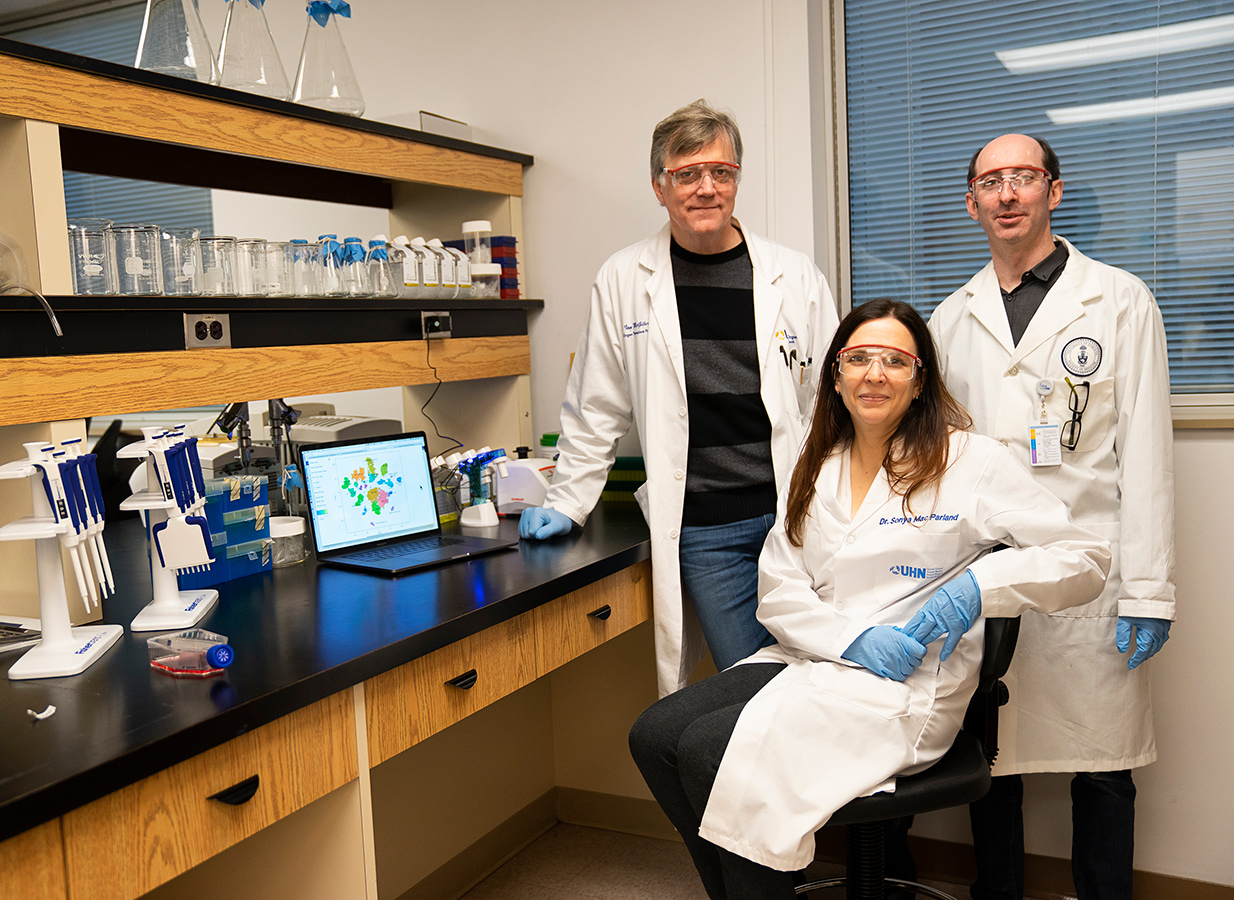
U of T scientists have created a cell-by-cell map of the human liver that could increase the success of transplant surgery and lead to new treatments for liver disease Read More
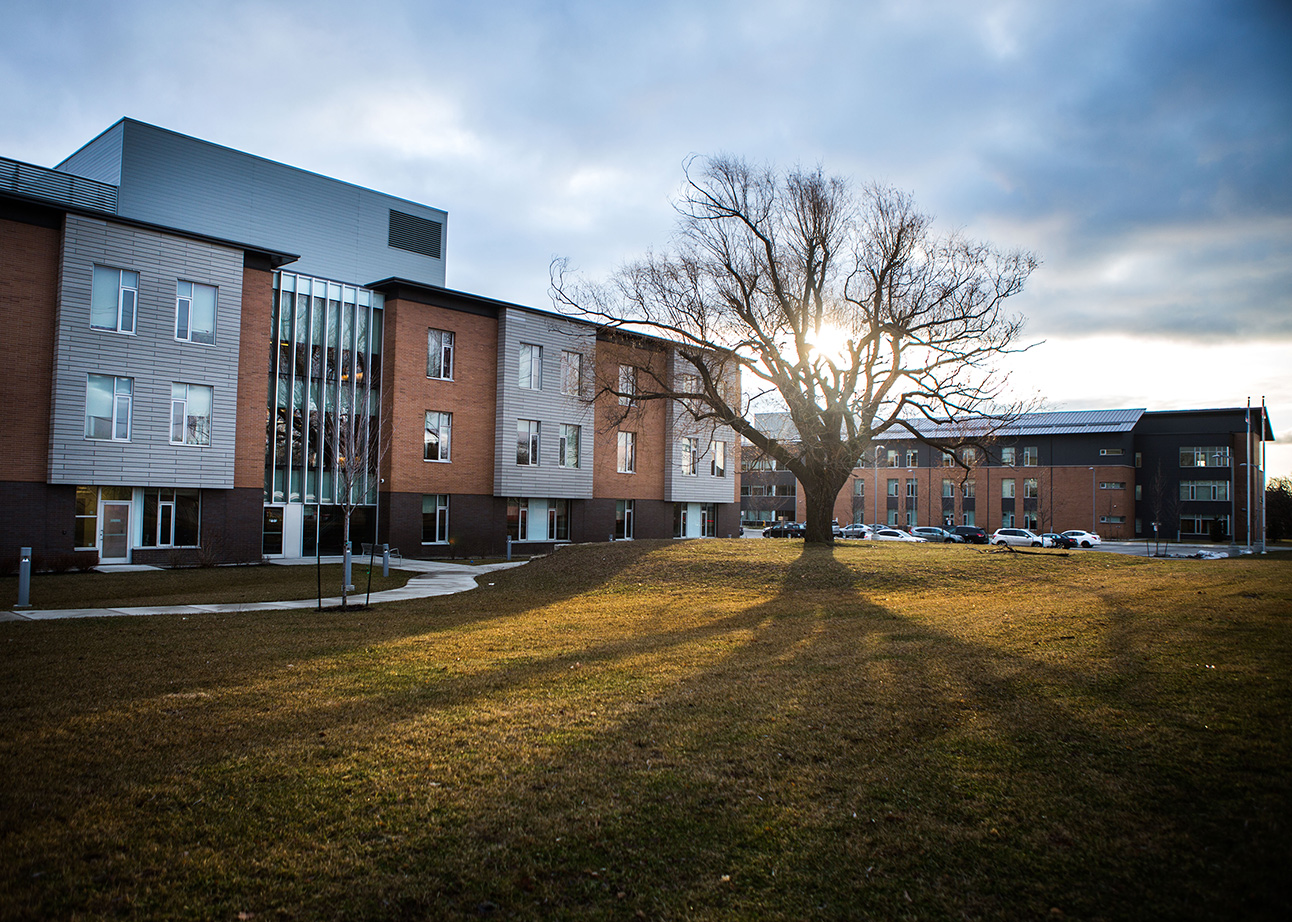
A growing number of city-dwellers live in condos – and now high schools, theatres and daycares are taking up residence there, too, creating benefits for everyone Read More
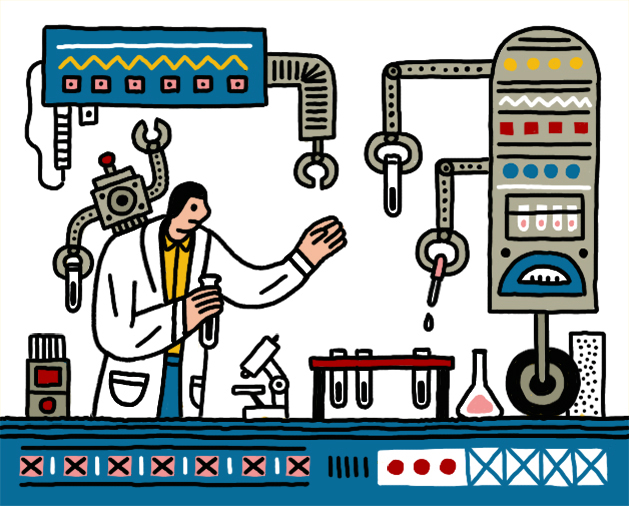
By bringing artificial intelligence into chemistry, Prof. Aspuru-Guzik aims to vastly shrink the time it takes to develop new drugs – and almost everything else Read More

A Toronto startup with roots at U of T hopes to catch the next big wave in computing Read More
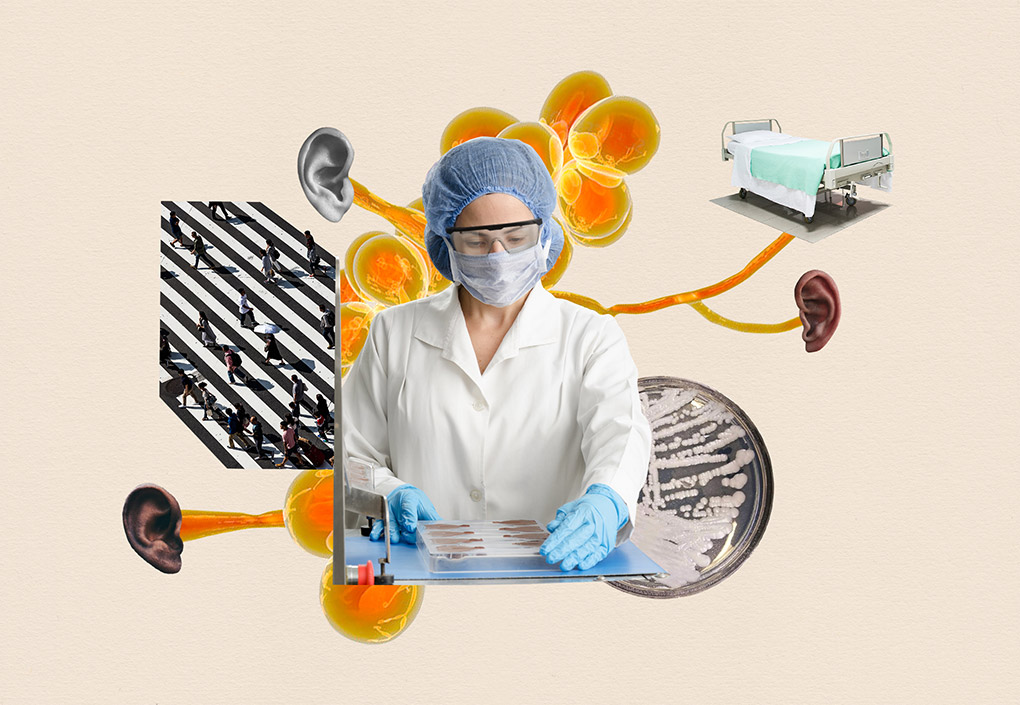
Prof. Leah Cowen’s lab aims to understand how C. auris works and how to stop it Read More
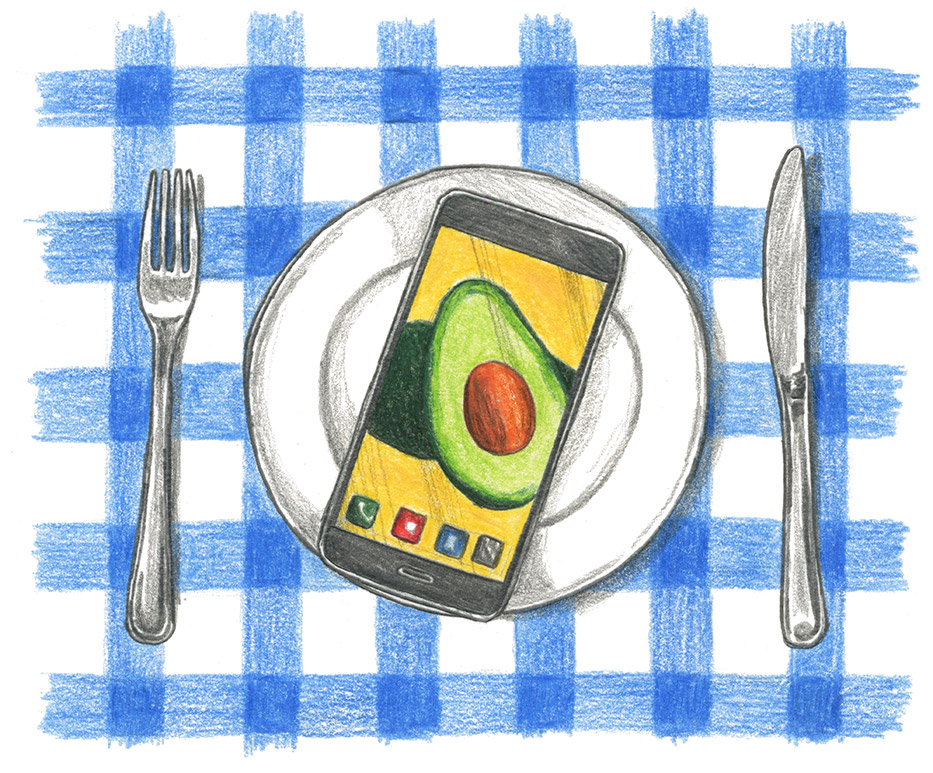
Three suggestions for maintaining a healthy relationship with technology Read More
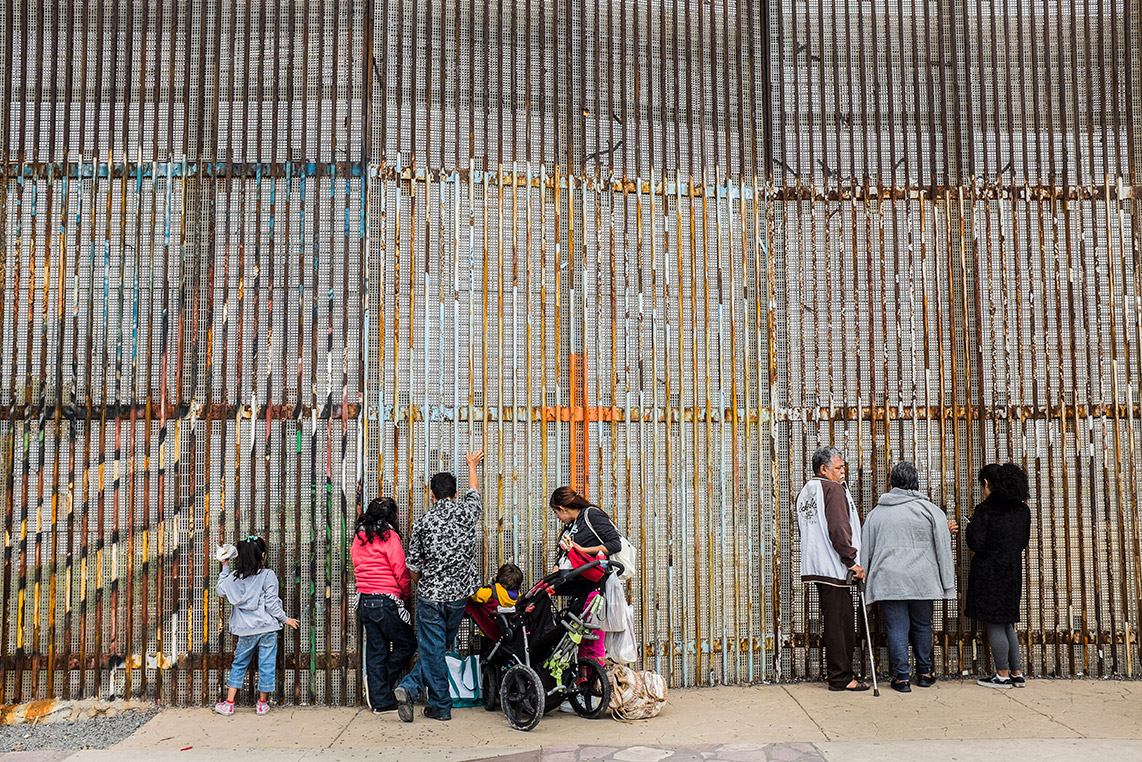
Lines on a map confer advantages on some and exclude others. This serves political needs, but is it morally just? Read More
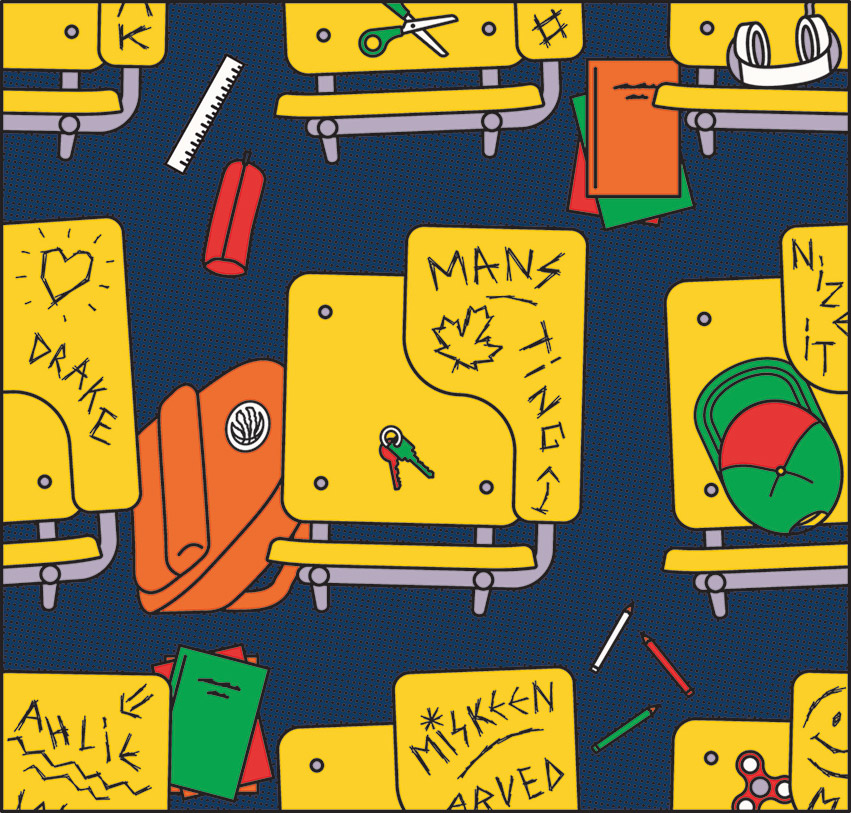
Youth are drawing from several languages spoken by the city’s immigrants to create a novel form of English Read More
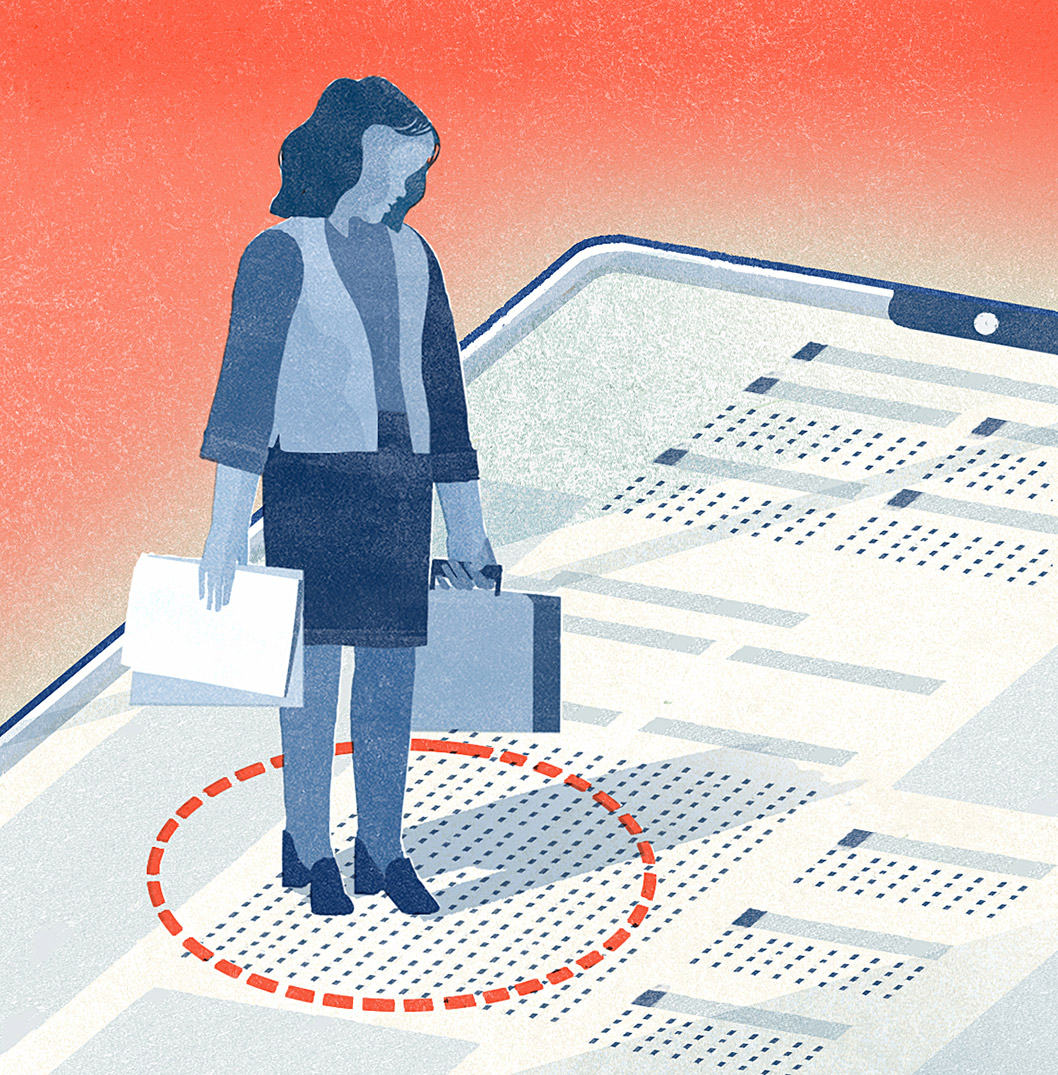
Migrants are determined to find jobs, but face systemic barriers Read More
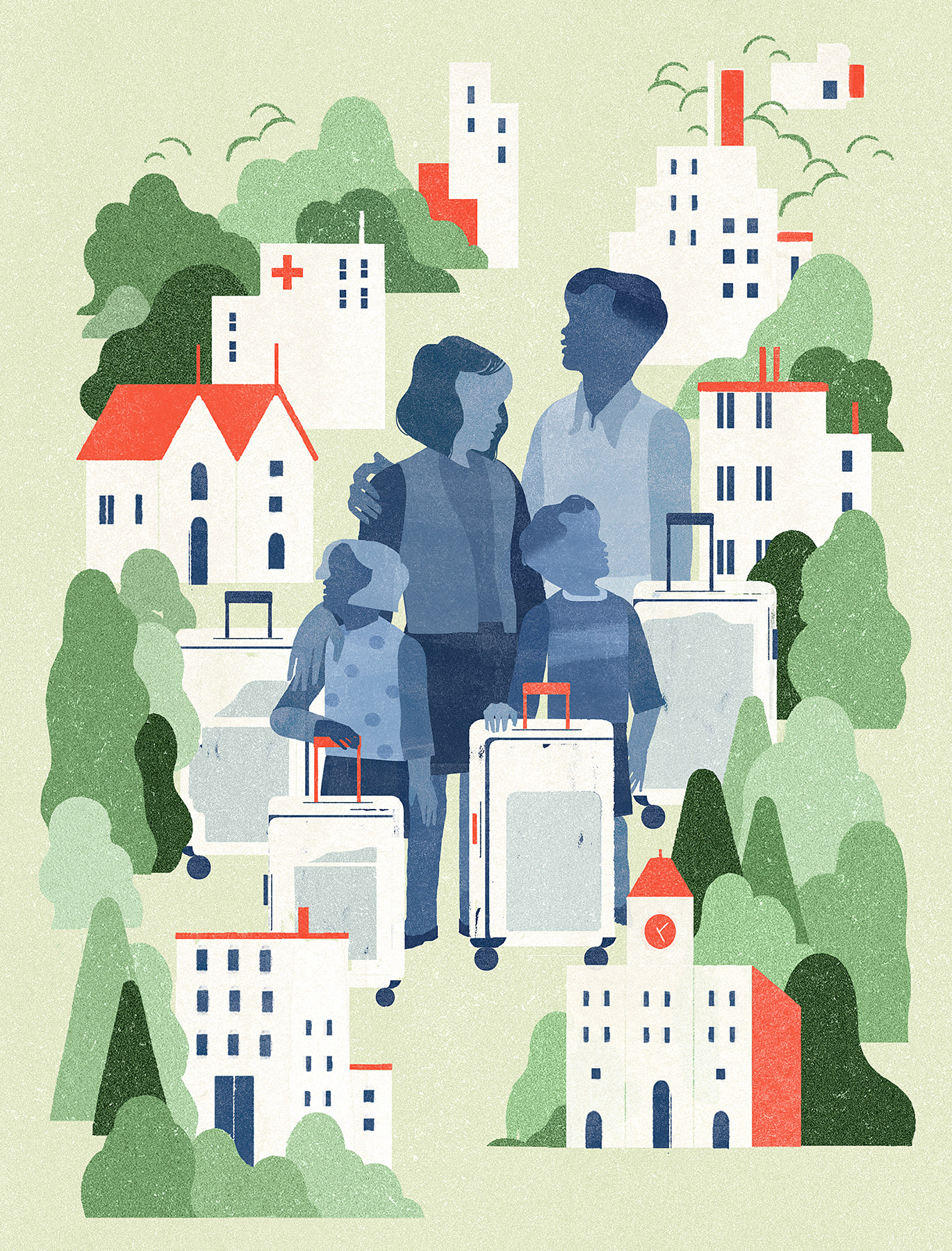
Toronto calls itself a sanctuary city. What does this mean in practice? Read More
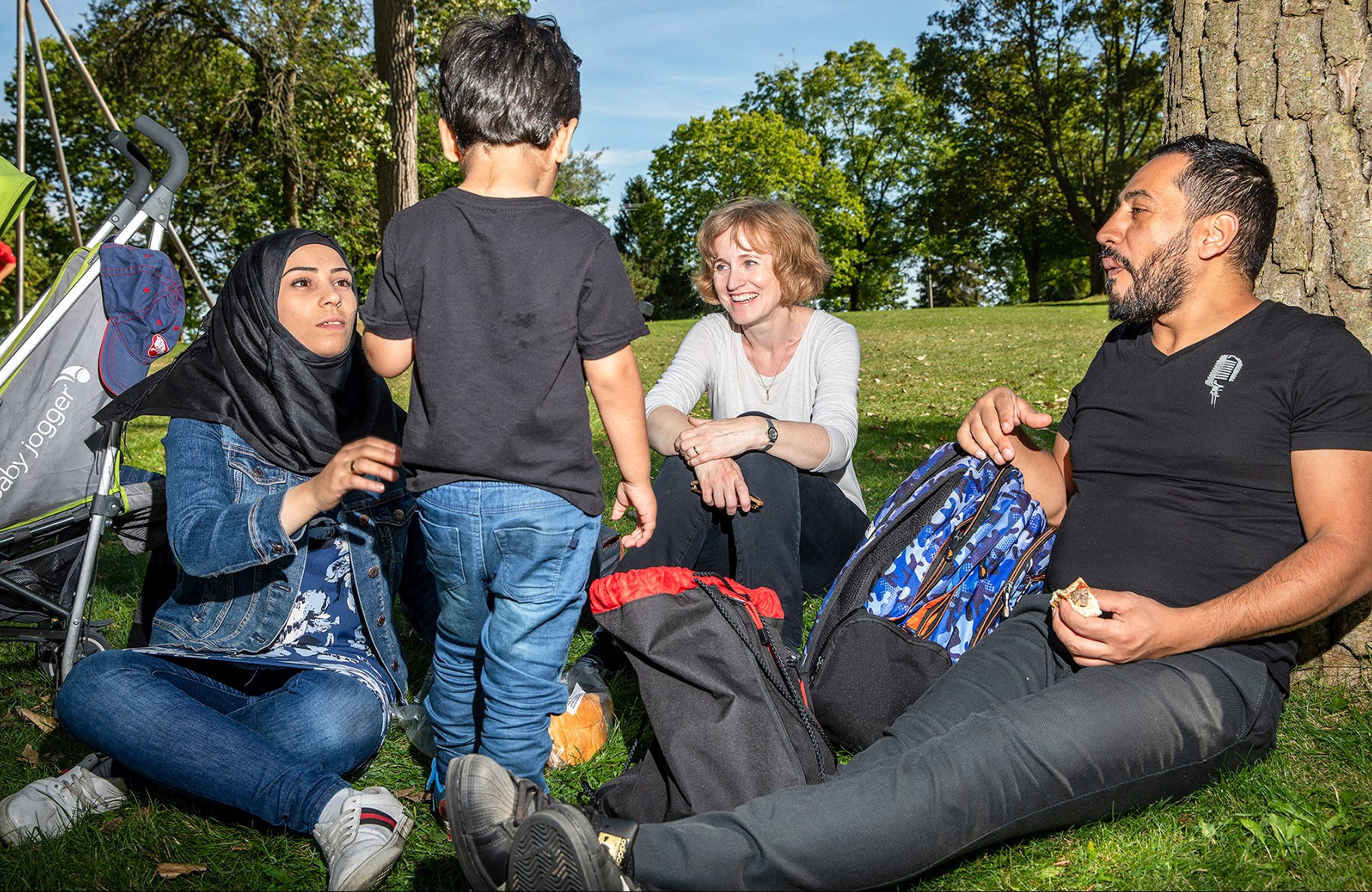
Canada’s program of private refugee sponsorship has been held up as a model for the world. Could it be even better? Read More
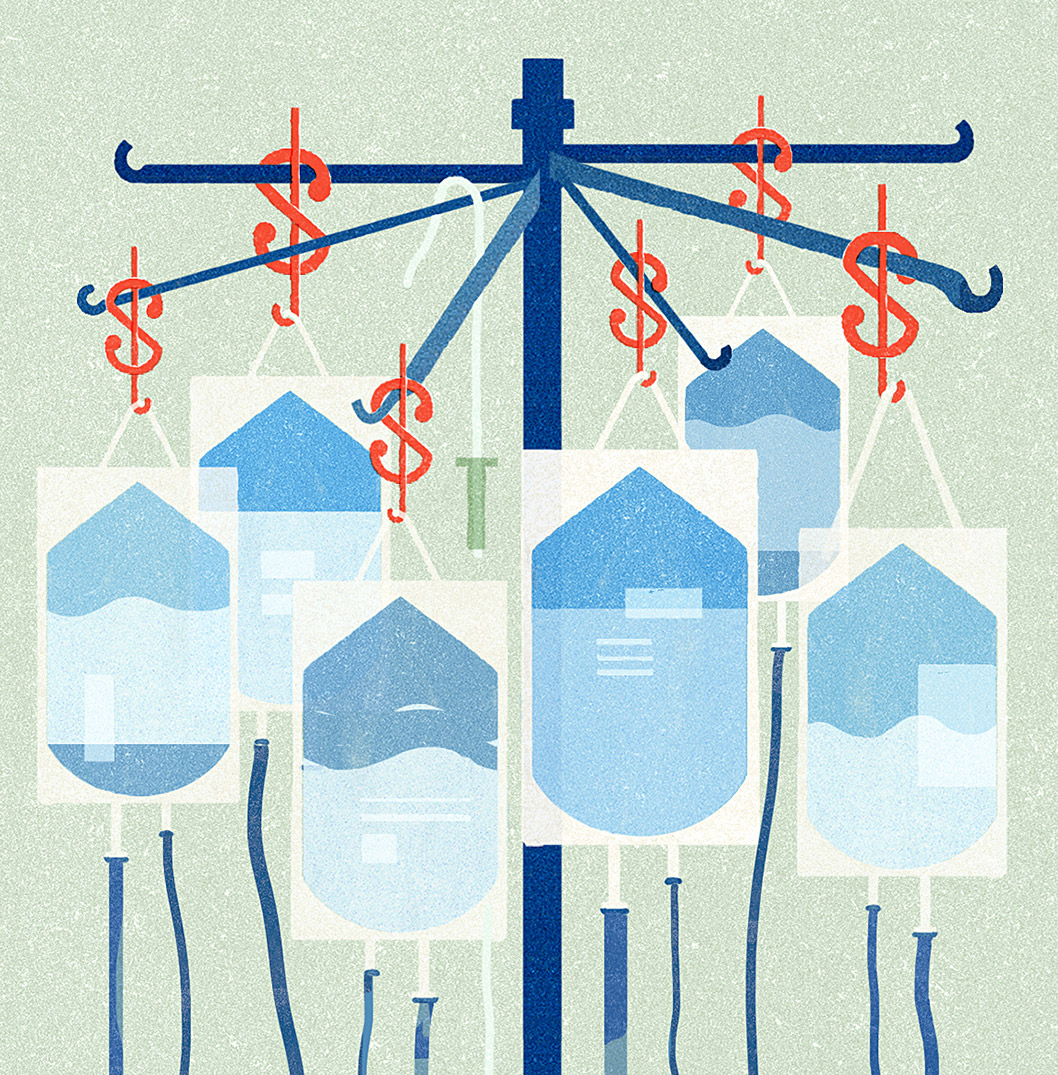
What happens when someone with precarious immigration status needs emergency care? Read More

Toronto’s housing crunch affects many residents, but newcomers with few resources are especially vulnerable Read More
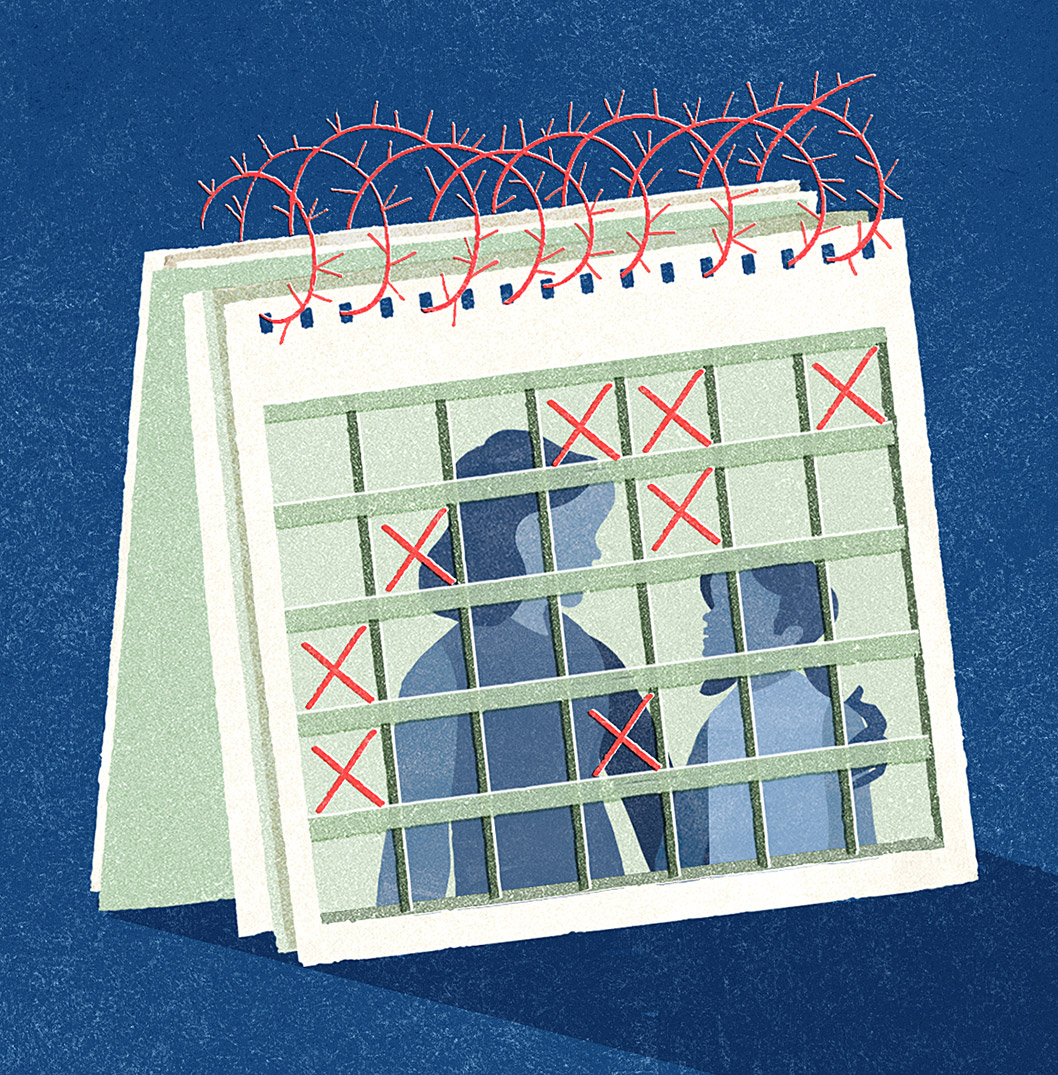
When it comes to who can be detained, and for how long, there is much discretion Read More
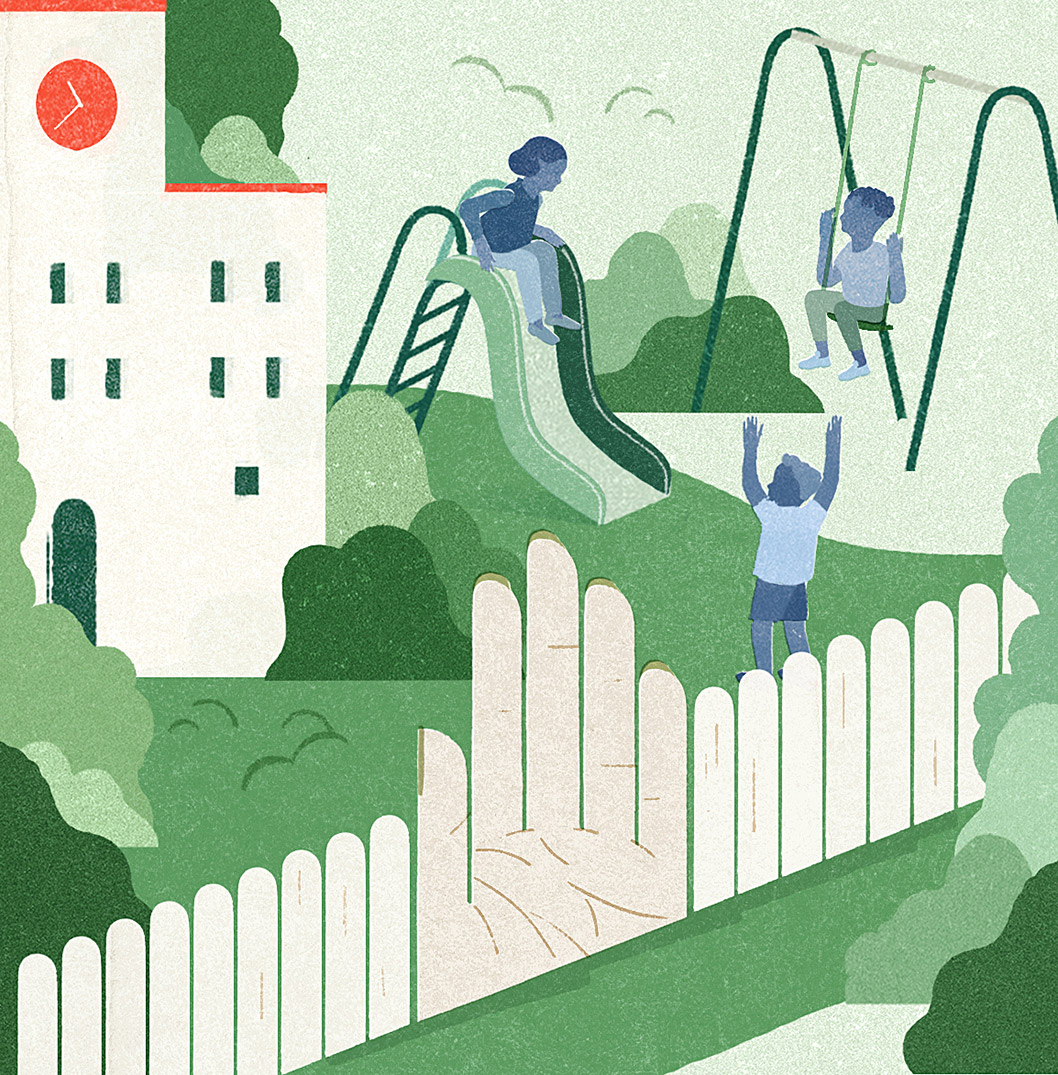
Toronto schools aim to provide a safe space for children, regardless of citizenship status. But there are flaws that need to be addressed Read More
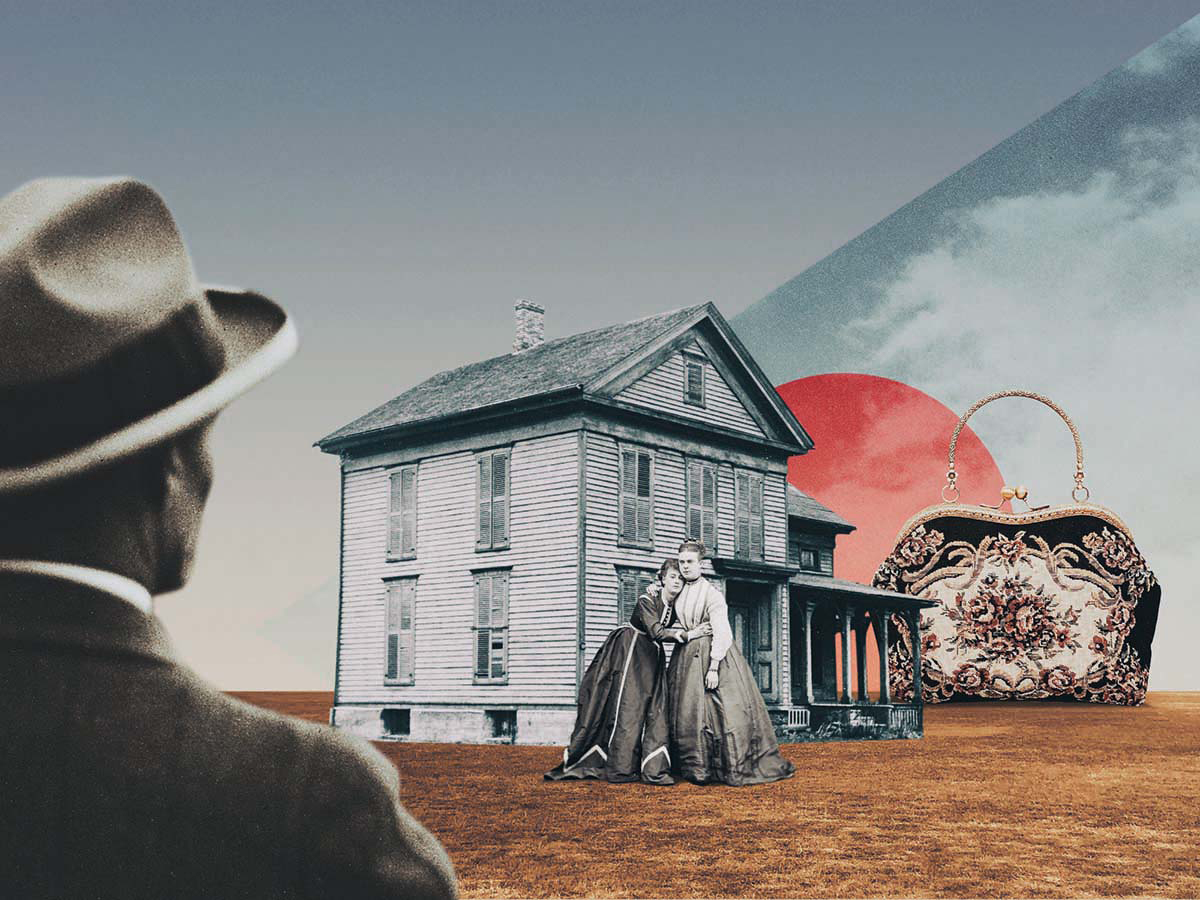
How a brothel-keeper in 1880s Edmonton crossed the law – and won Read More
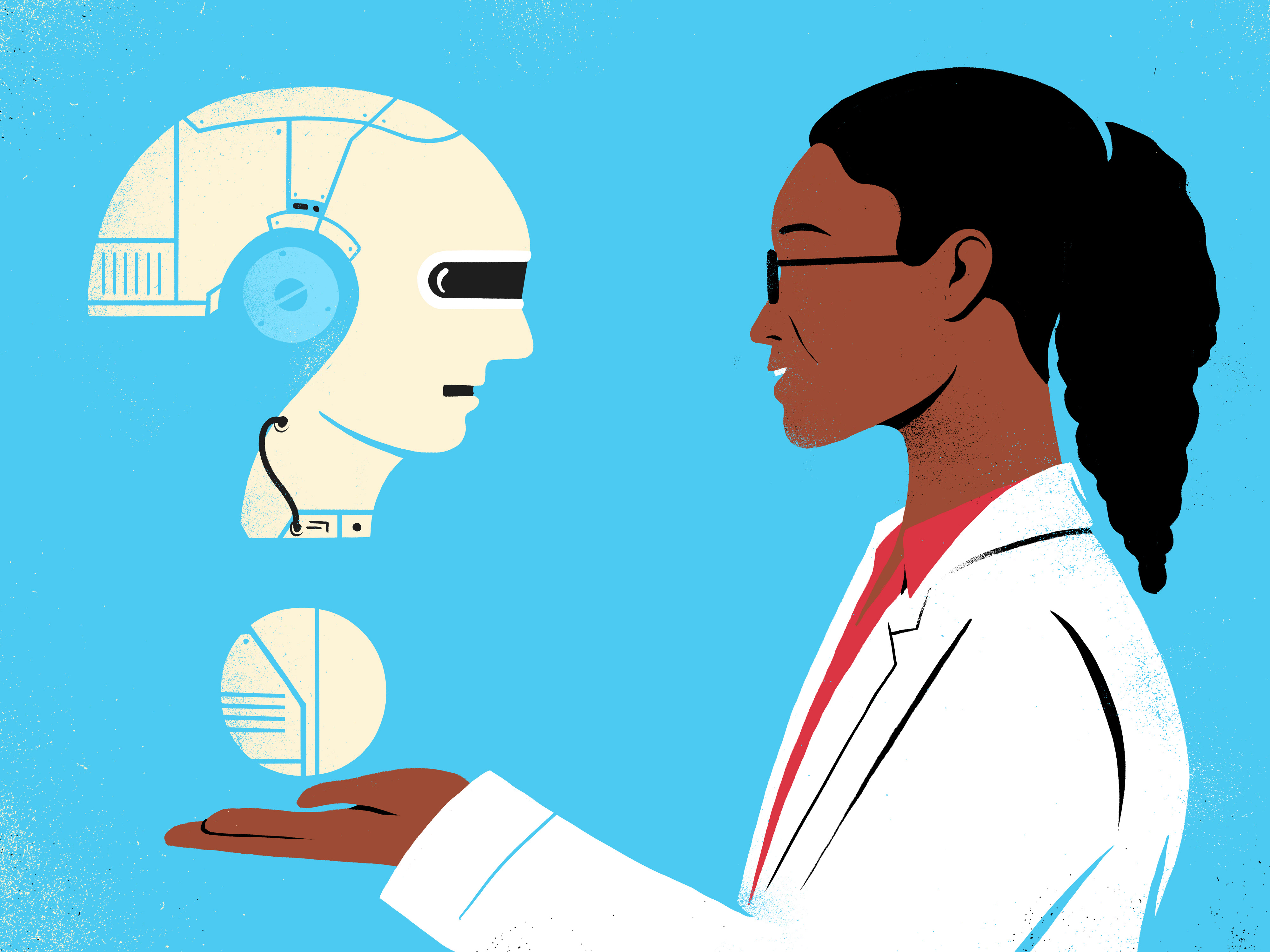
Canada’s commitment to multiculturalism could help it lead the world in creating more ethical machines Read More
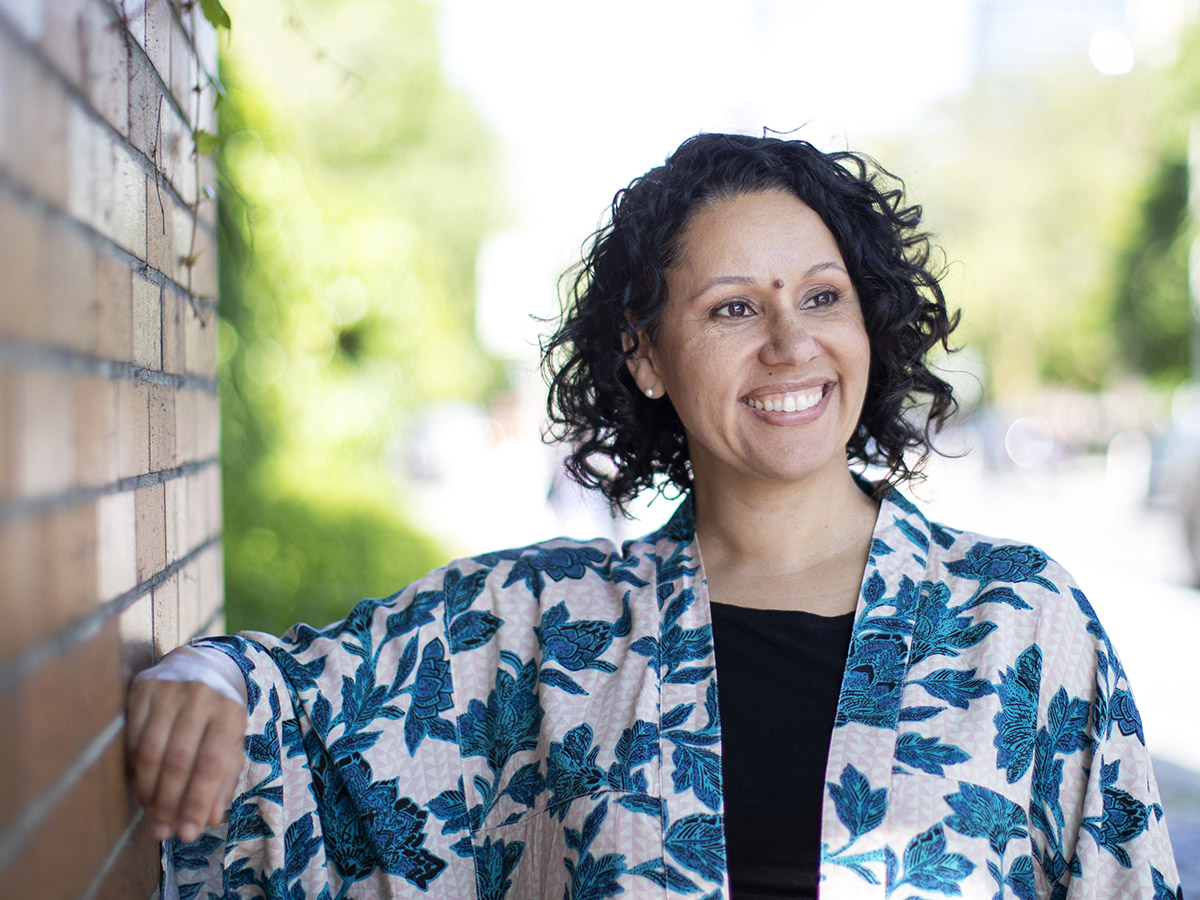
Prof. Karina Vernon shares the untold stories of Black people on the Canadian Prairies Read More
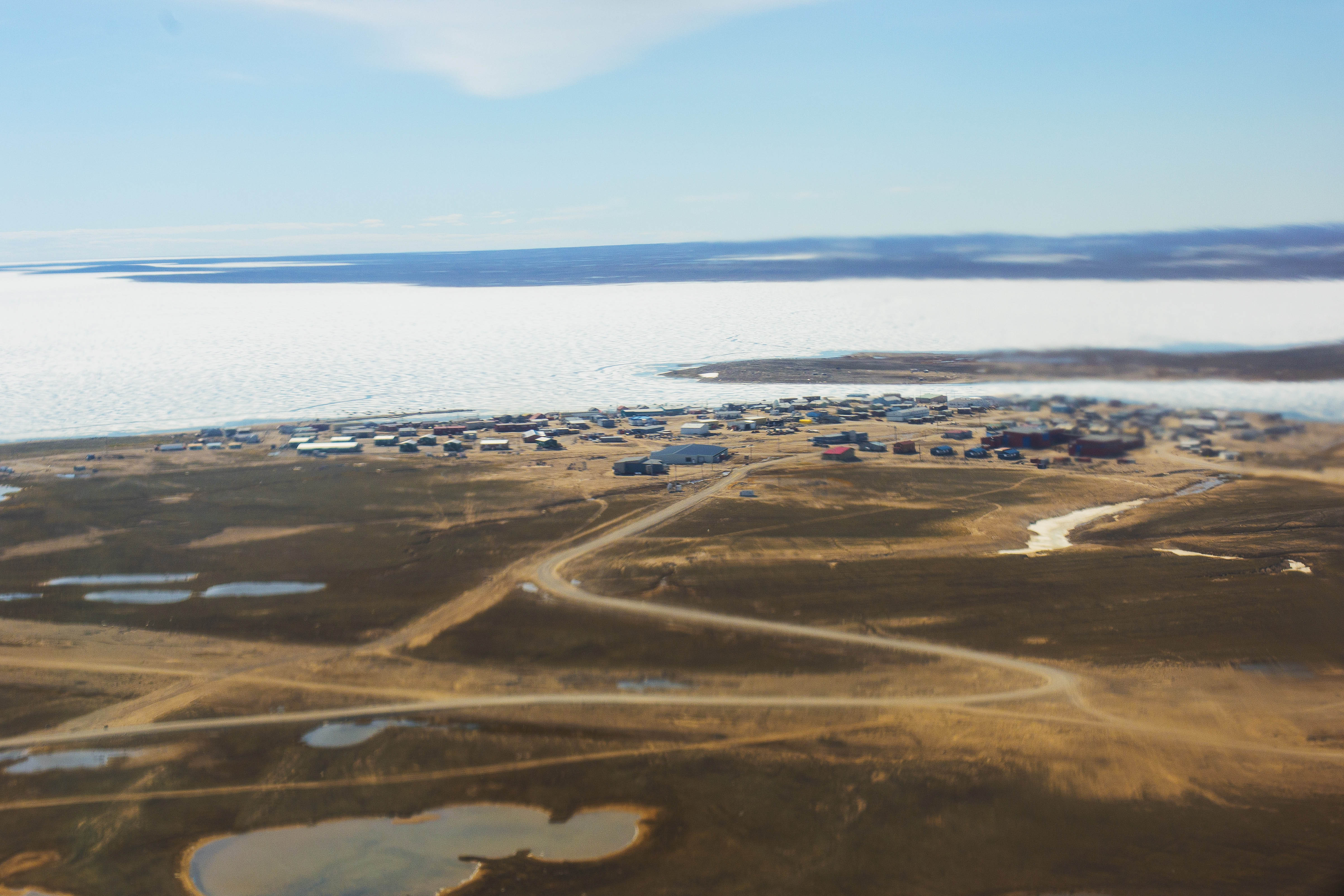
A U of T study examines ways to improve care and reduce the sense of isolation for Inuit patients in Canada’s Far North Read More

Canadian meanings of “soaker” and “bush party” don’t exist in the Oxford English Dictionary. A U of T linguistics prof is aiming to change that Read More
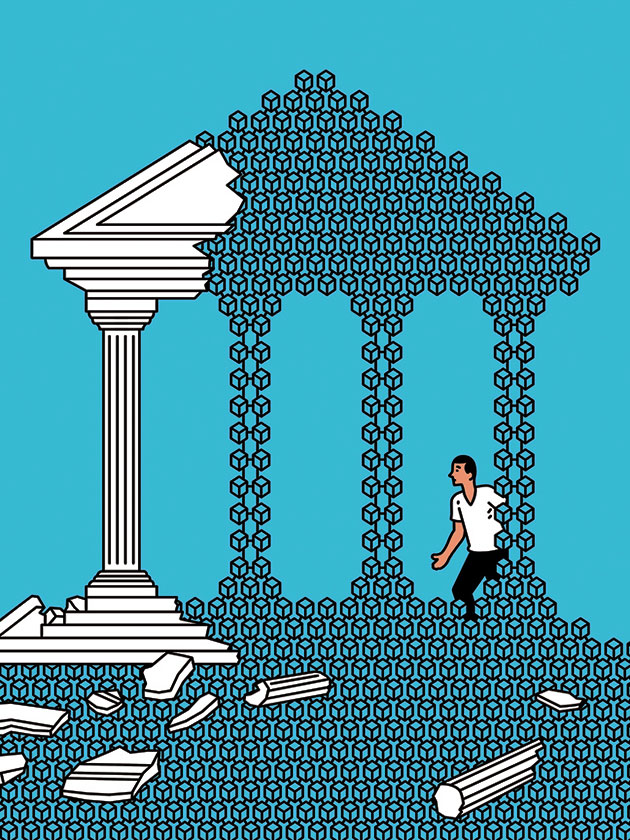
Blockchain has the potential to transform financial transactions. This could spell trouble for banks and other institutional go-betweens Read More
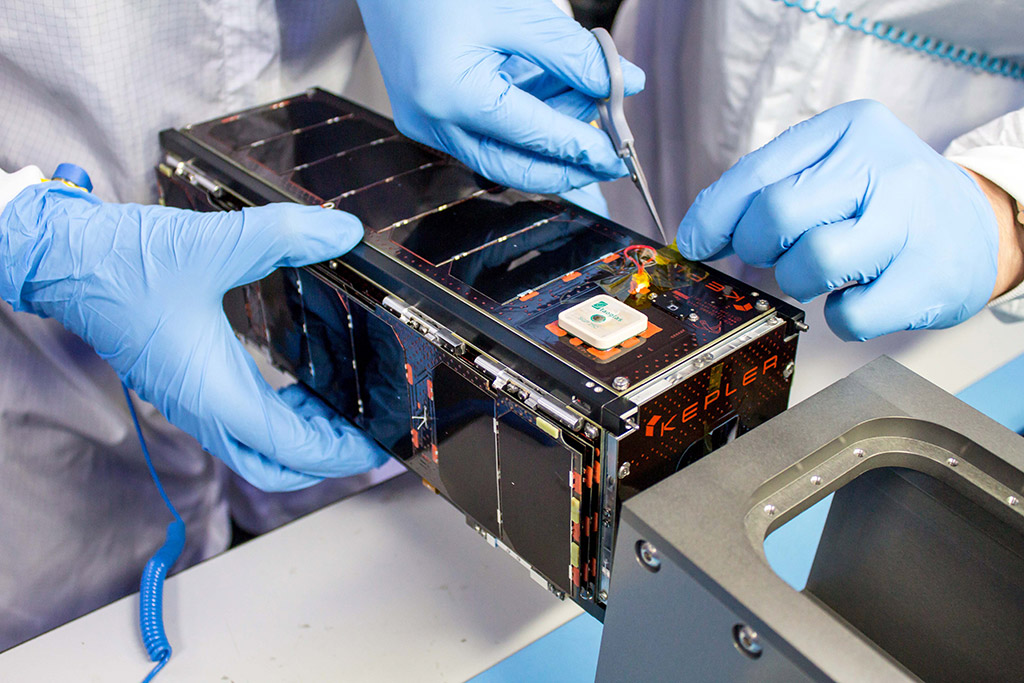
Kepler Communications plans to build a global communications network using devices so small they fit in a gym bag Read More
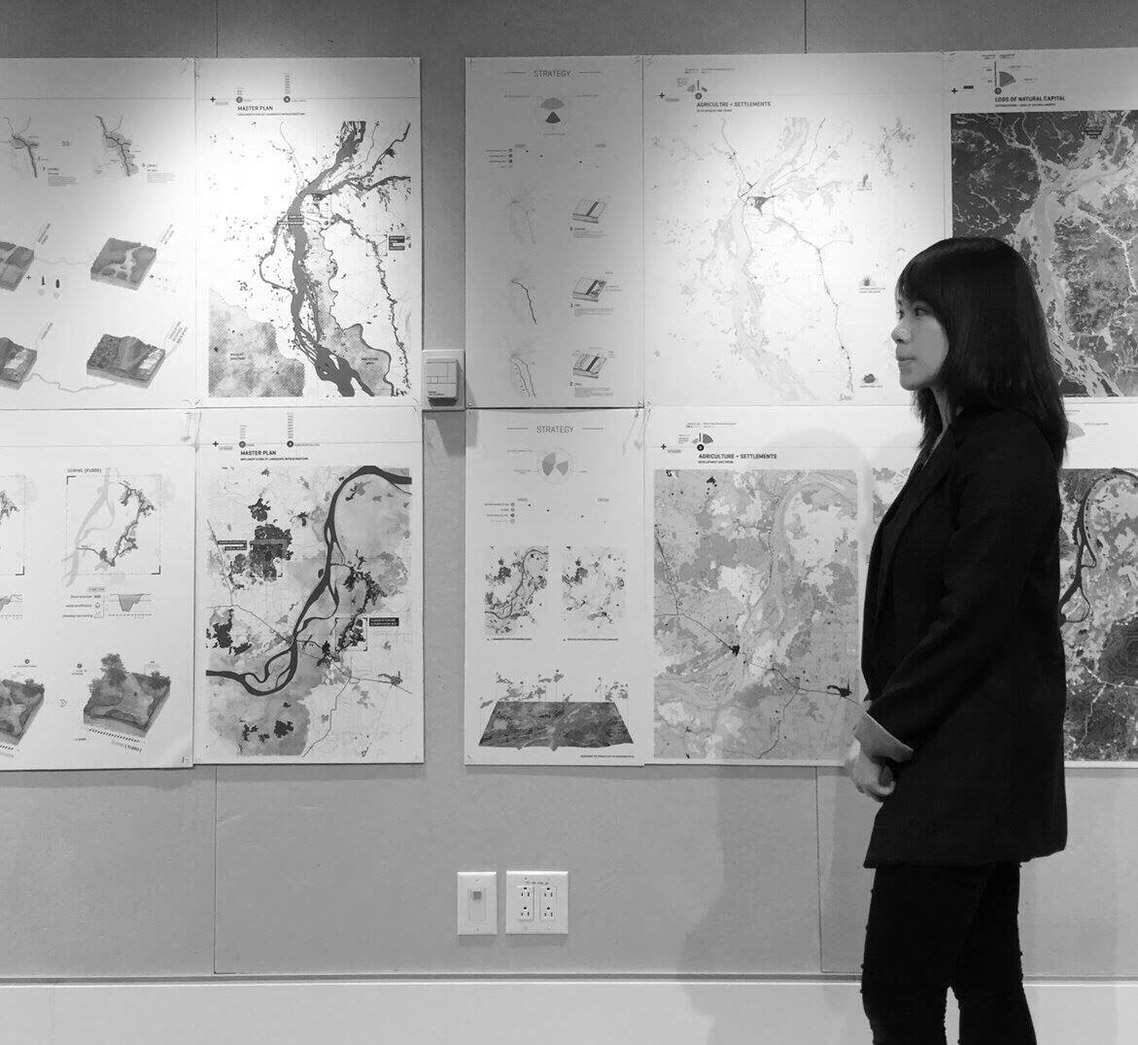
Landscape architect Shaine Wong proposes a way to turn craters into something useful Read More
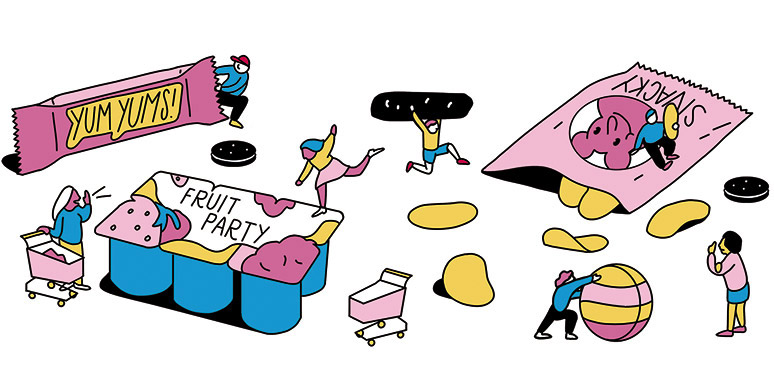
Prof. Mary L’Abbé wants to restrict the marketing of unhealthy food to kids – and their parents Read More
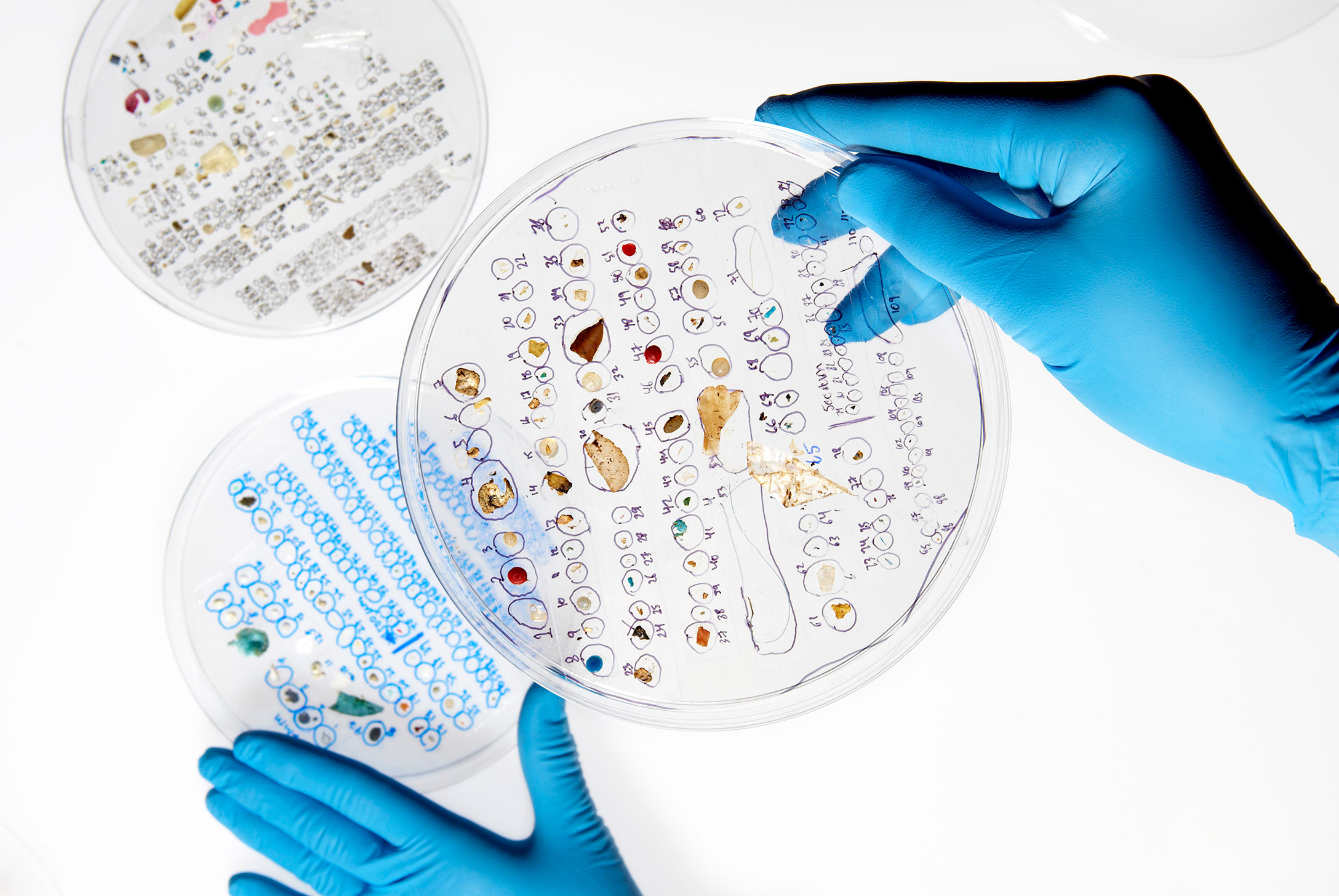
Chelsea Rochman explores how plastic is breaking down – and where it’s ending up Read More
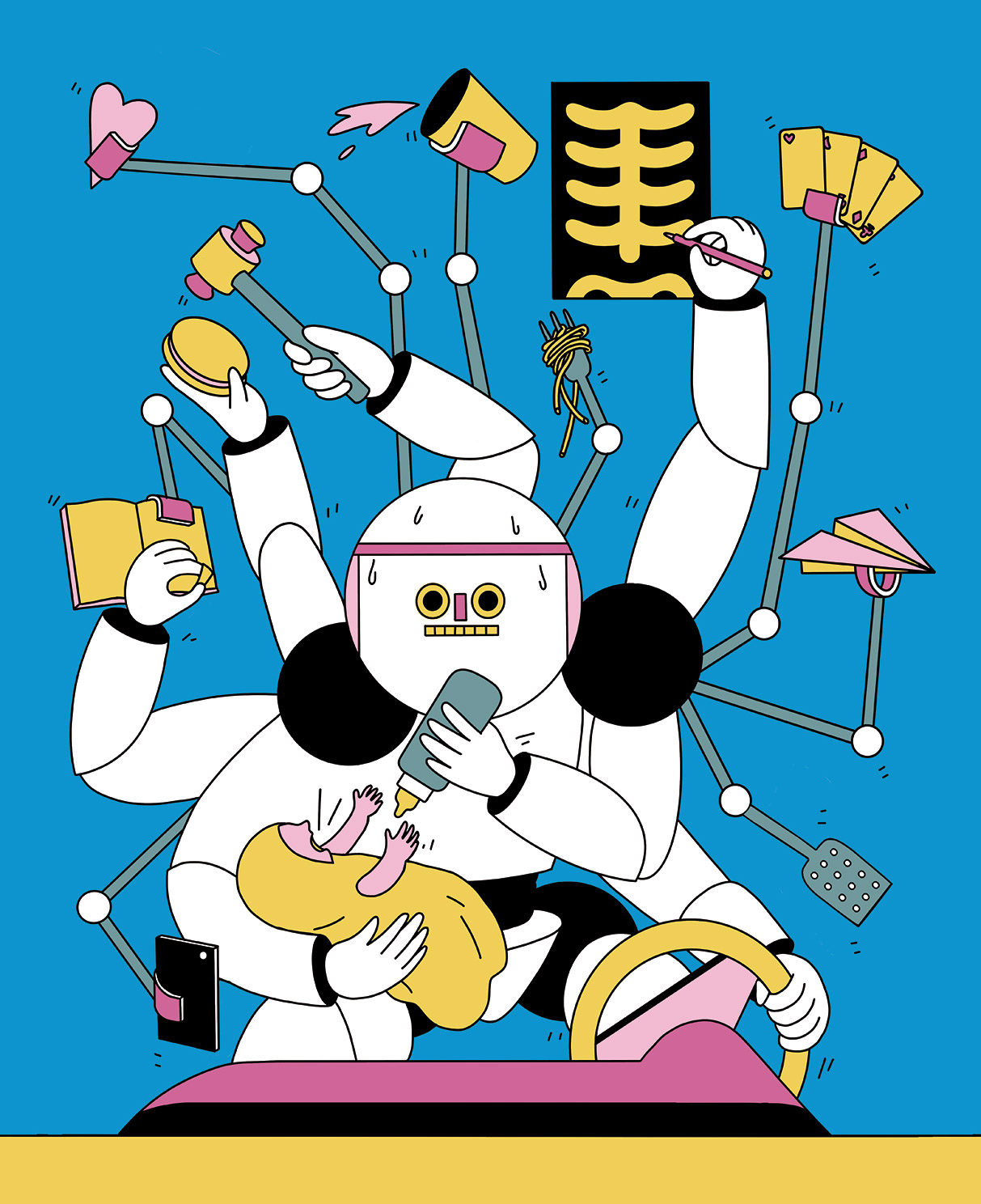
As artificial intelligence advances, humans need to pay closer attention to what it can and can’t do Read More
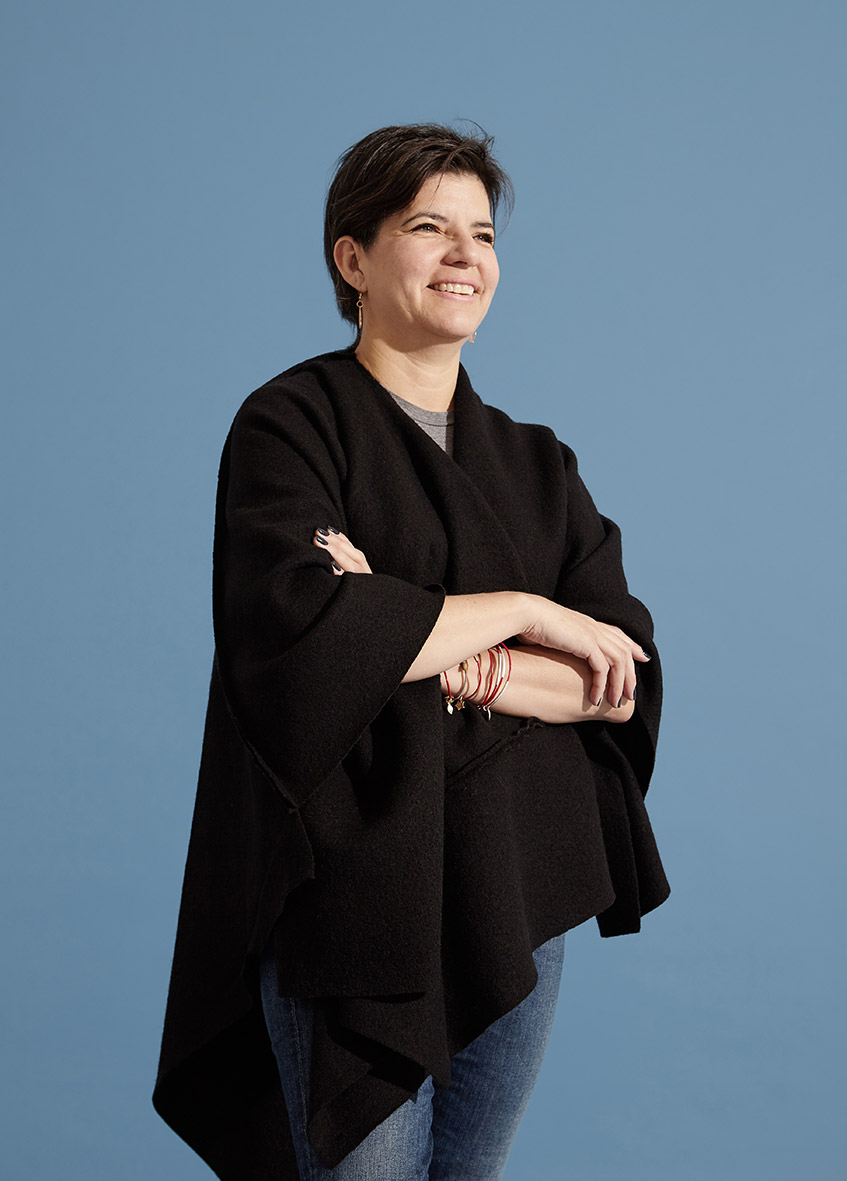
A unique project provides support to women during pregnancy and after, with the aim of creating healthier families Read More
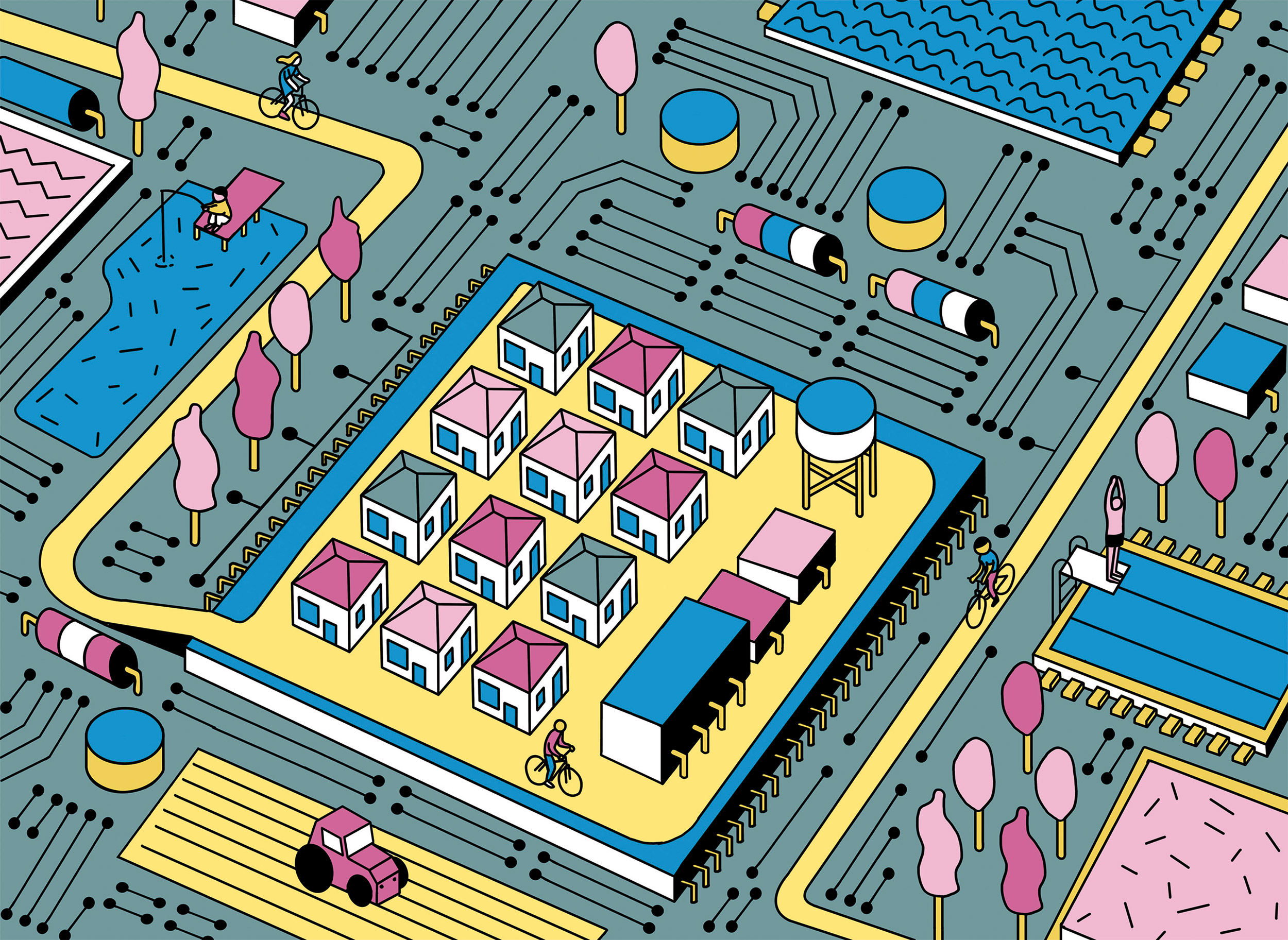
Laura Rosella is using machine learning to suggest ways to reduce diabetes rates – and save millions in potential health-care costs Read More

Law professor Anita Anand is calling for improved safeguards for the 50 per cent of Canadians who own stocks Read More
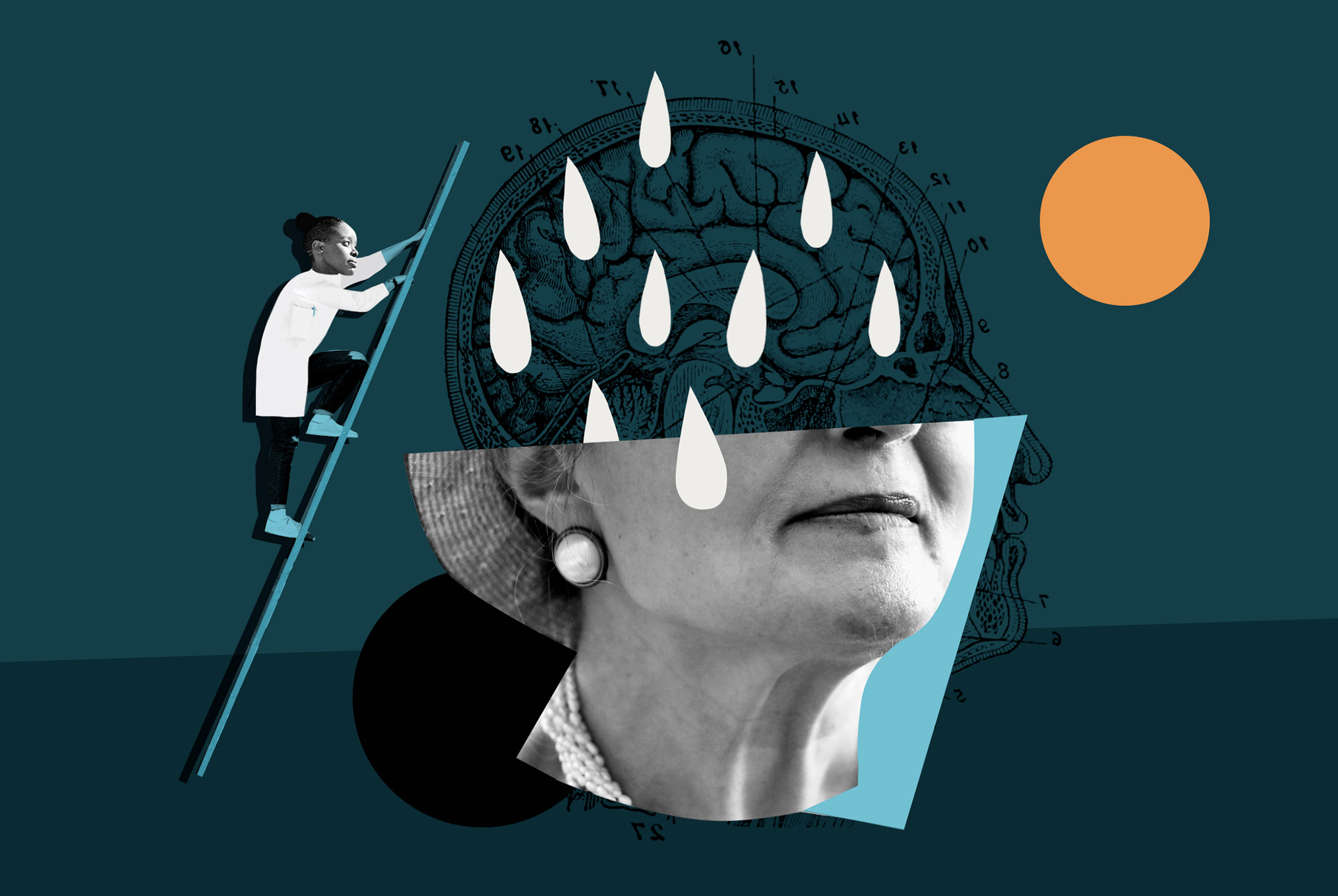
Scientists will focus on how the illness affects the brain Read More
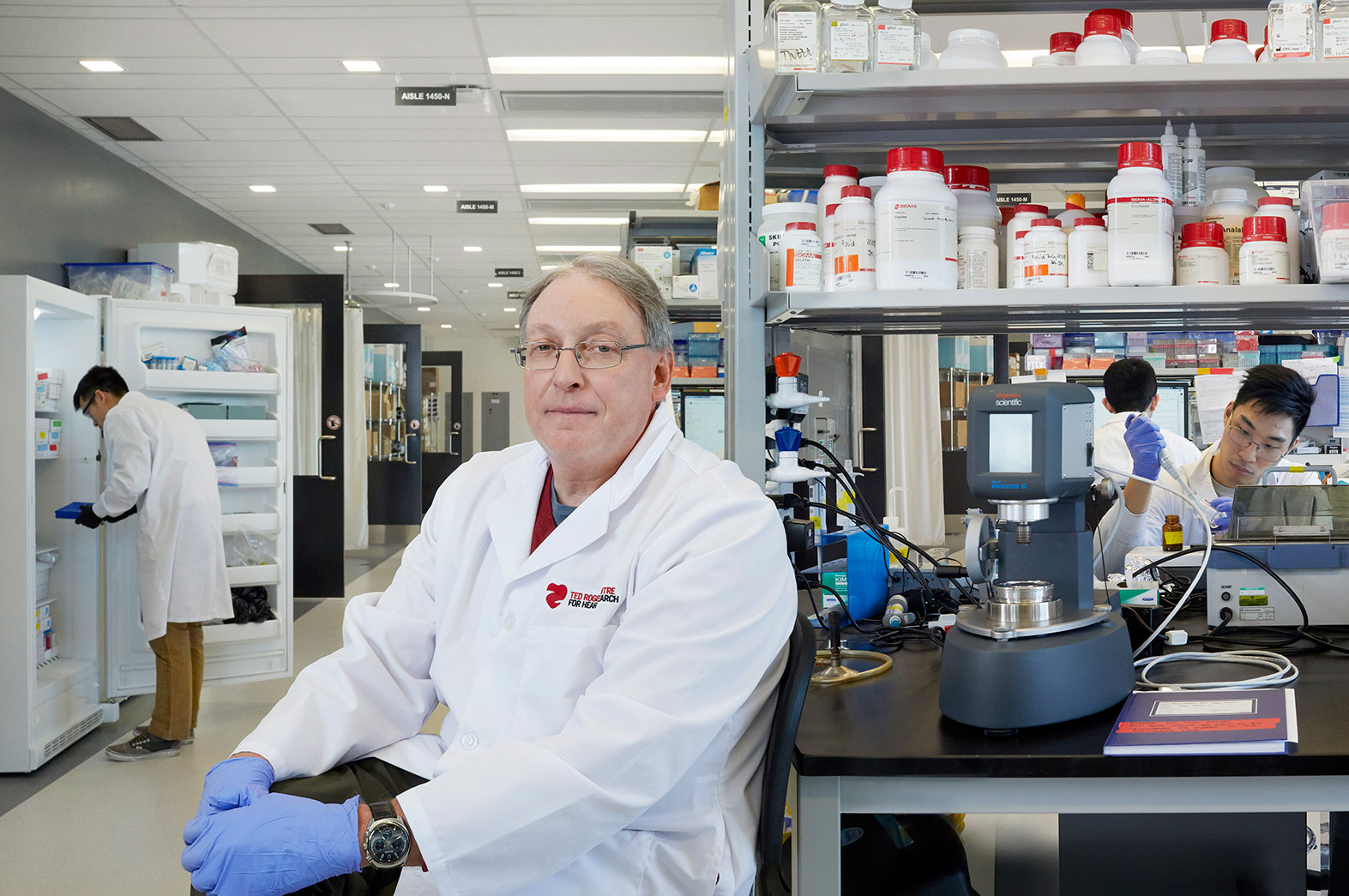
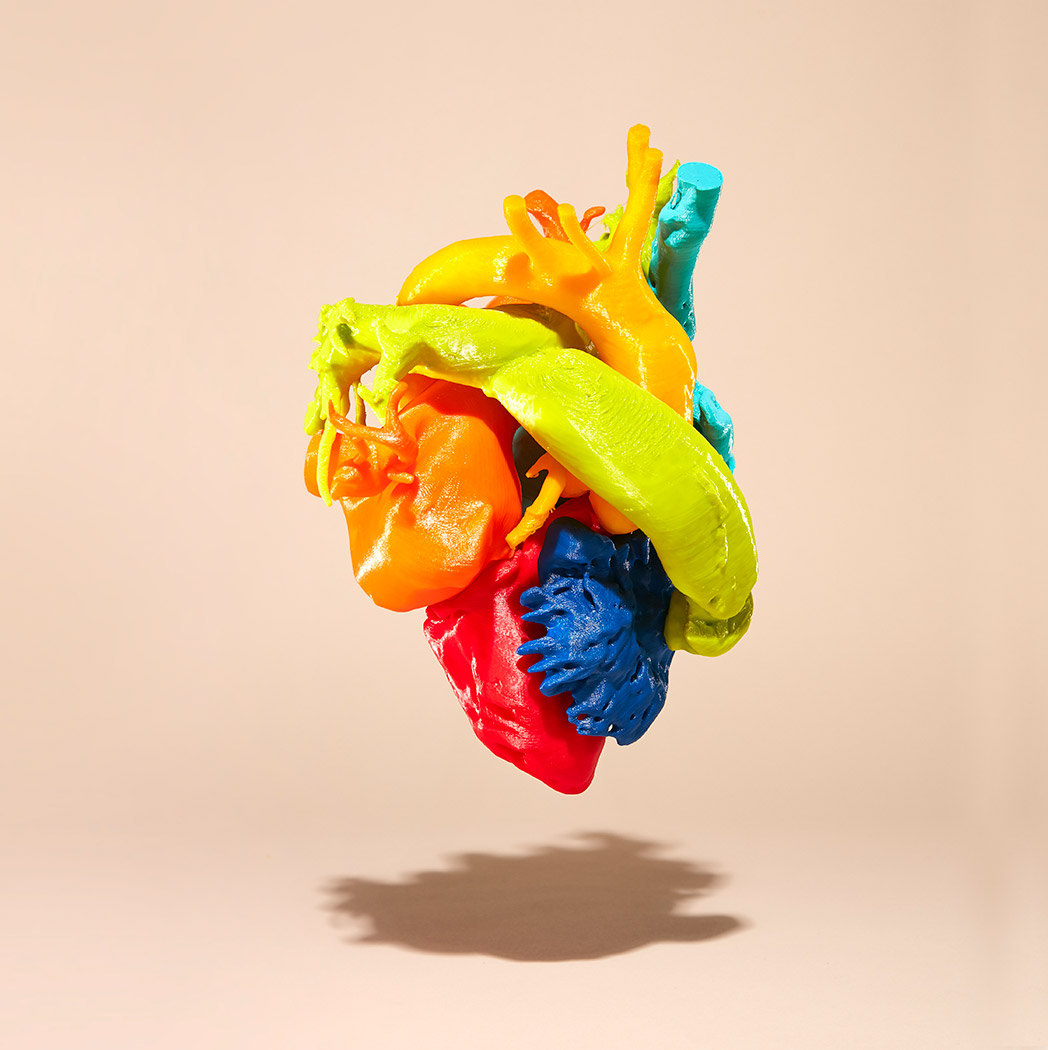
Prof. Paul Santerre is working on a cardiac patch that would enable an injured heart to heal itself Read More
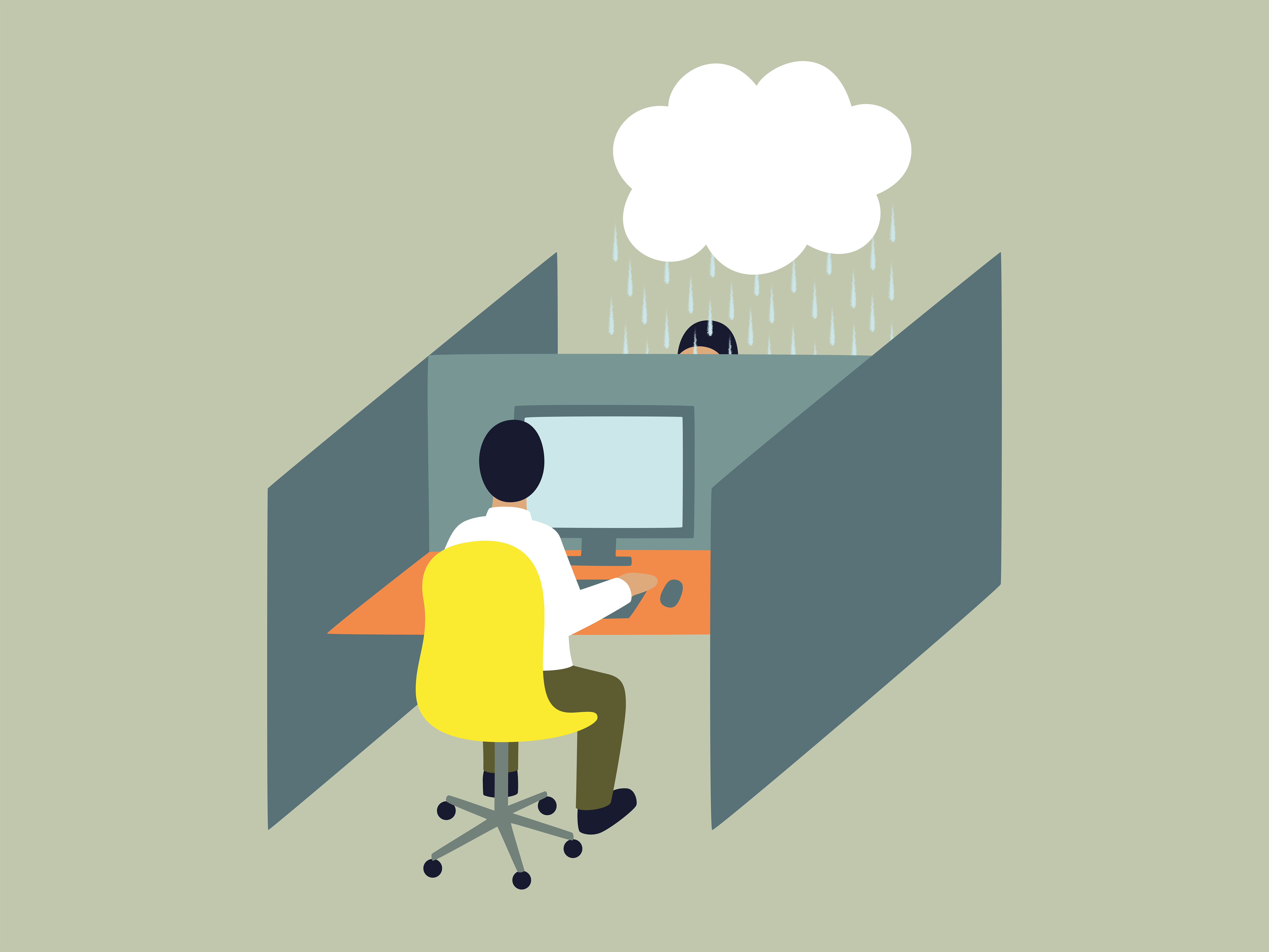
Depression and anxiety affect about one in five. How do we help the person who could be affected in the cubicle next to us? Read More
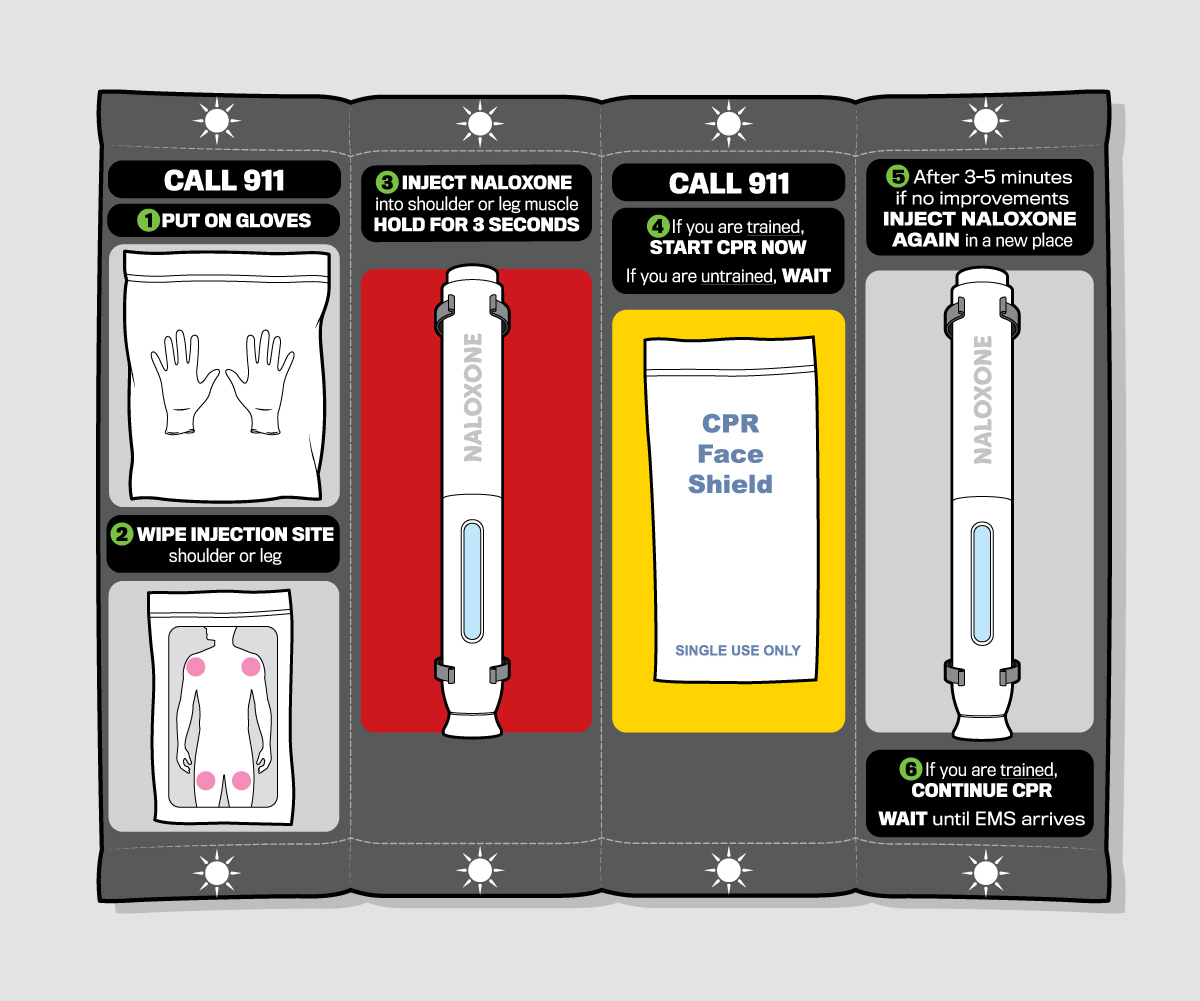
Three engineering students found a government-issued naloxone kit complicated to use. So they designed a new one Read More
How the medical system is trying to wean patients off opioids Read More
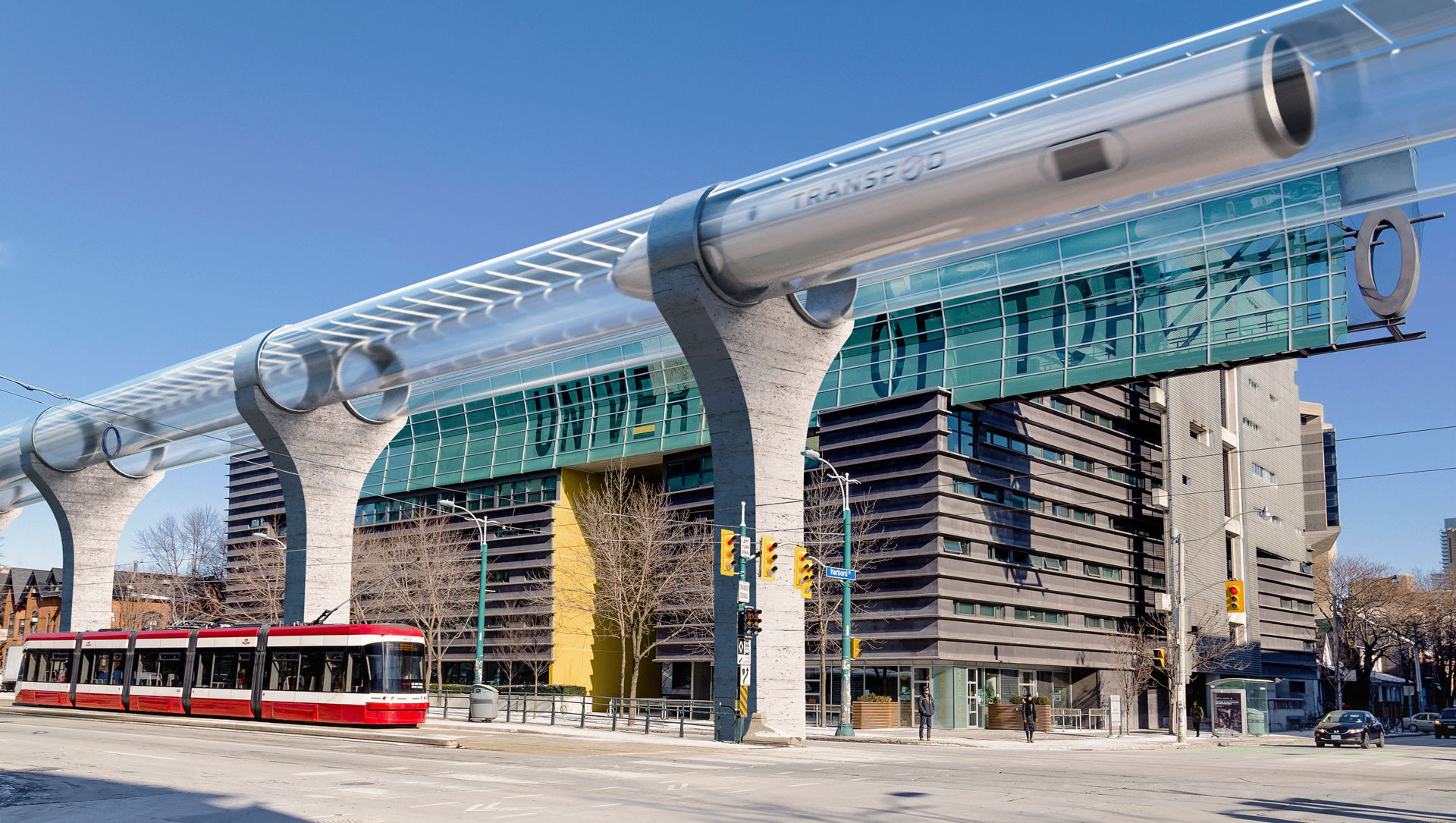
A new transportation technology could zip you from Toronto to Montreal in 45 minutes. We took a peek under the hood Read More

For years, we’ve been told to lower the thermostat and drive less. It hasn’t worked Read More
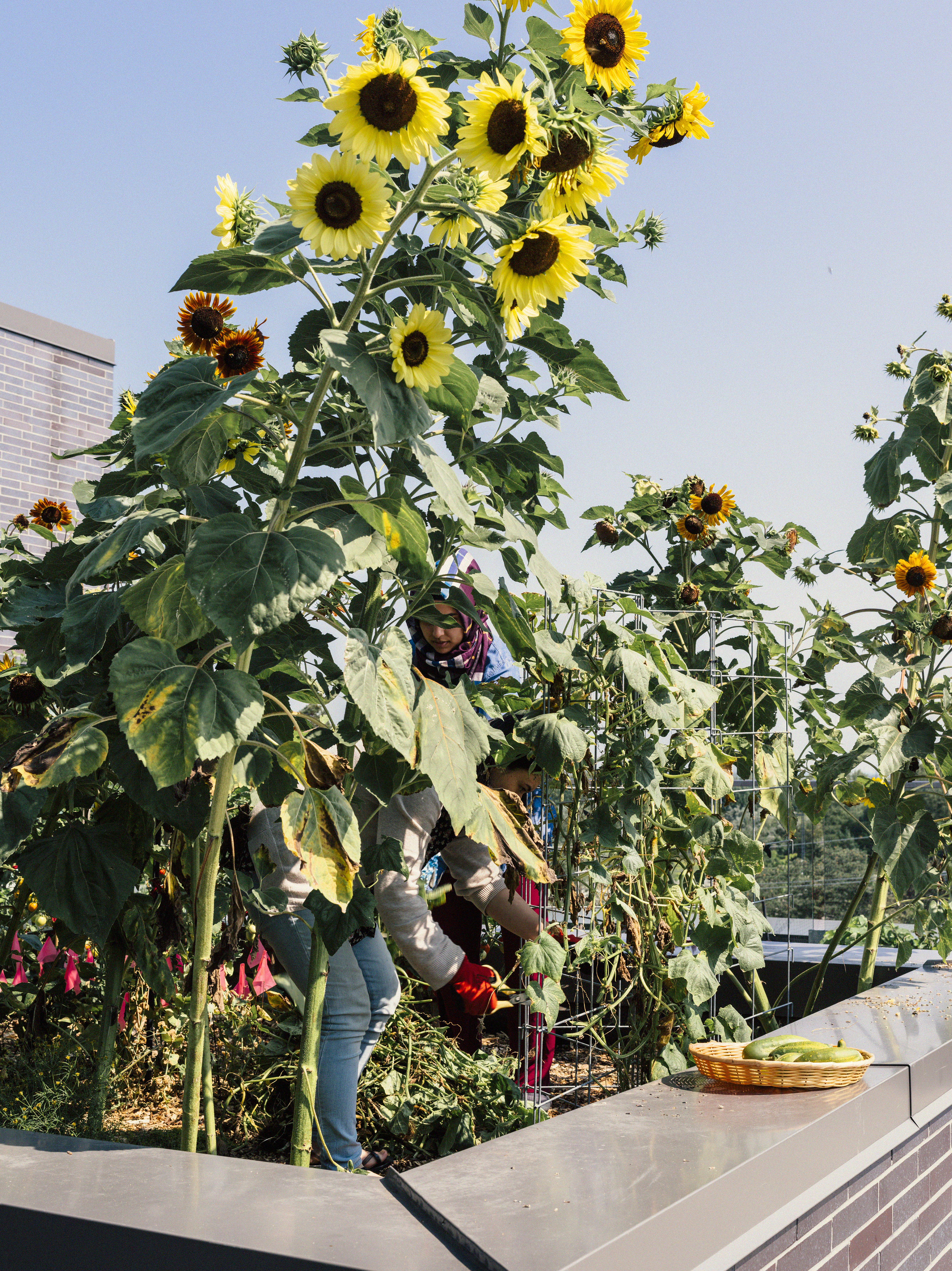
U of T has set aggressive targets for becoming more sustainable, and is enlisting faculty and students for help Read More
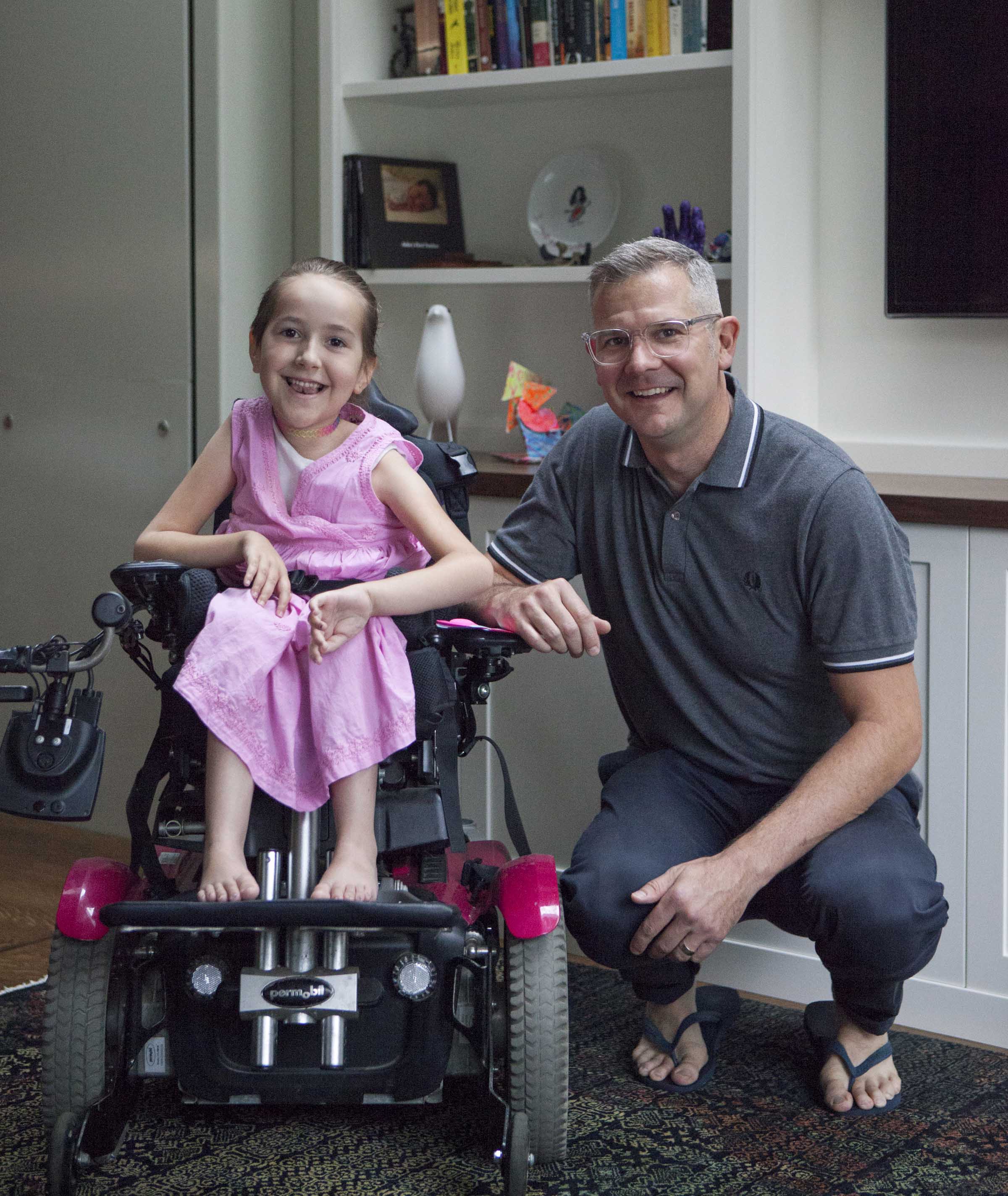
Prof. Ron Buliung describes how his daughter Asha’s life with a wheelchair profoundly changed him – and his research Read More
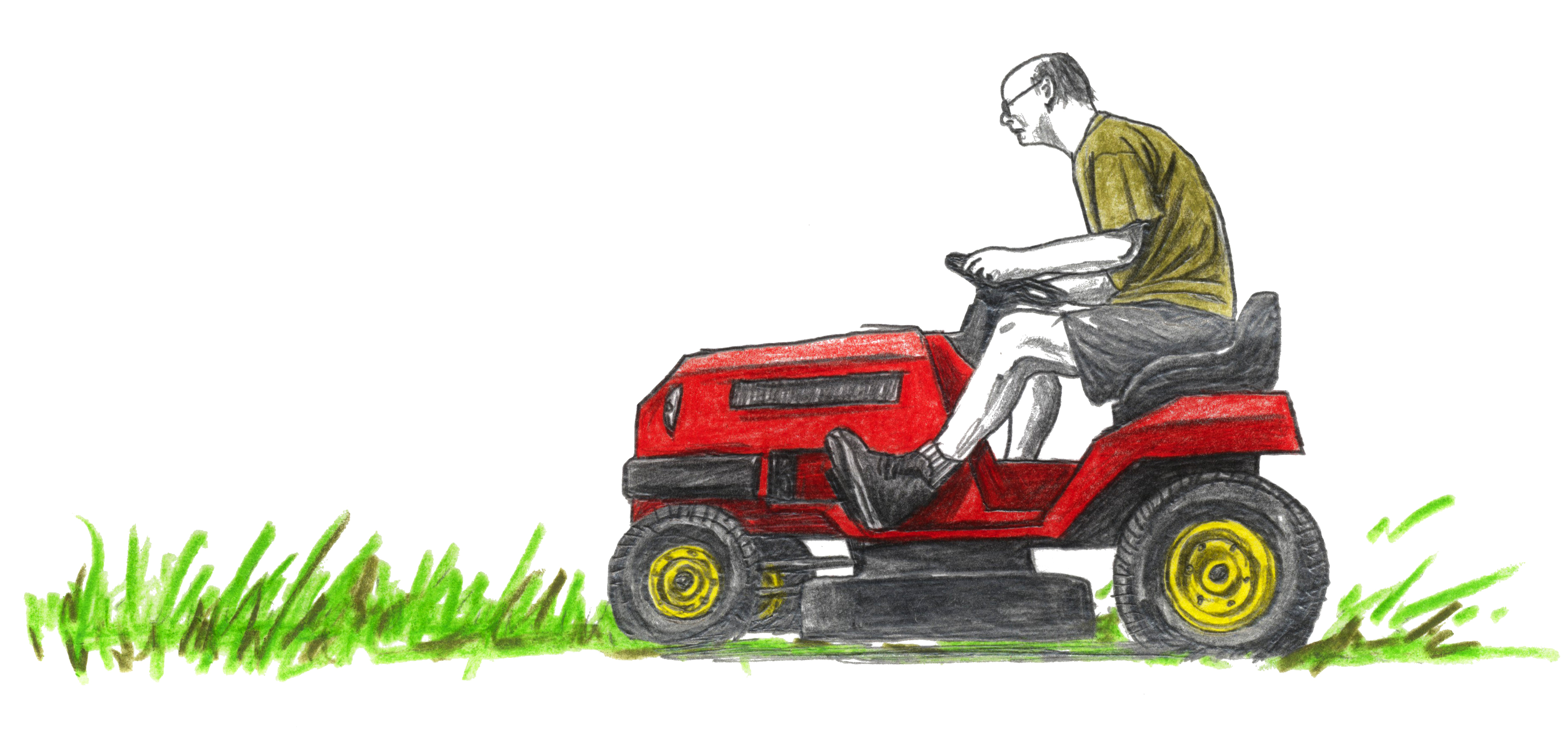
A book by Prof. Michelle Pannor Silver offers some ideas Read More
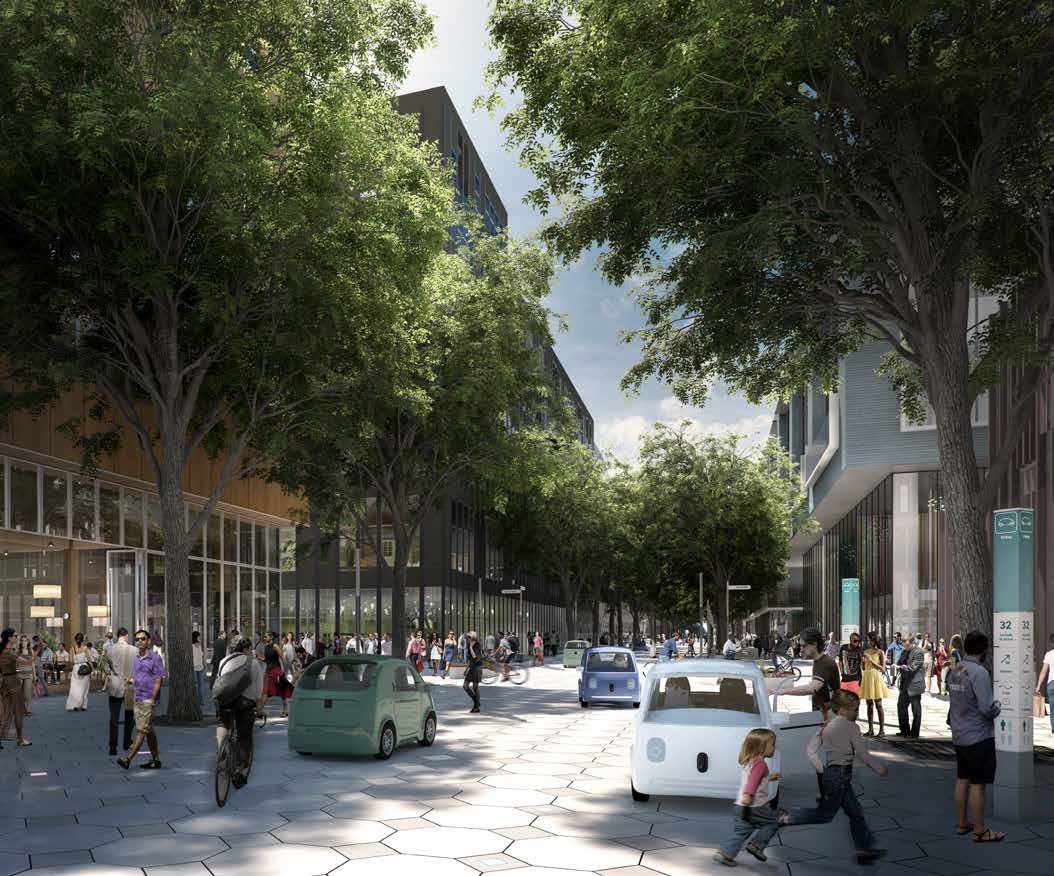
Four examples of how researchers are harnessing technology to improve urban life and make cities smarter Read More
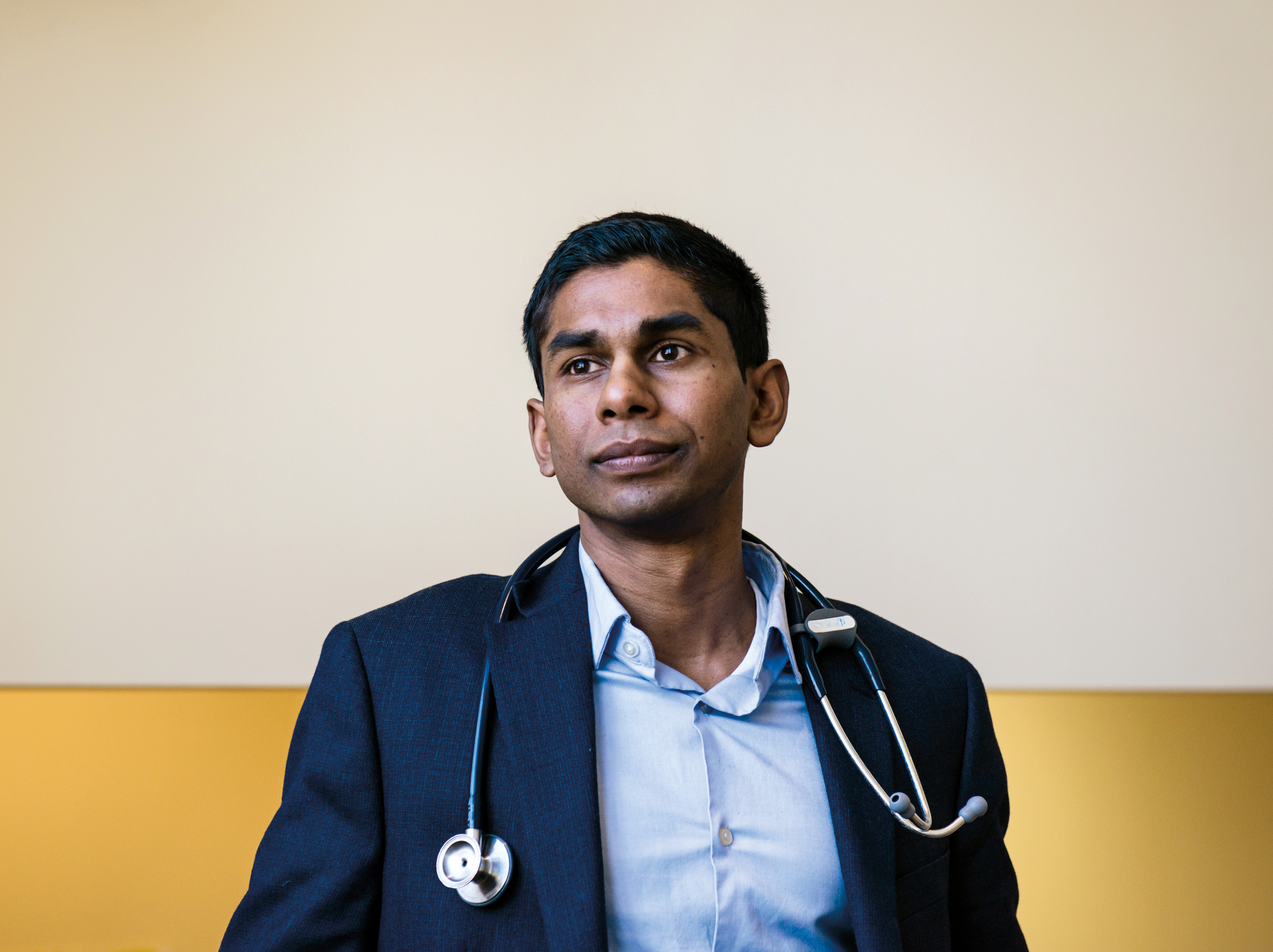
More than two million Canadians don’t take their full dose of medications because of the cost. How can they be helped? Read More
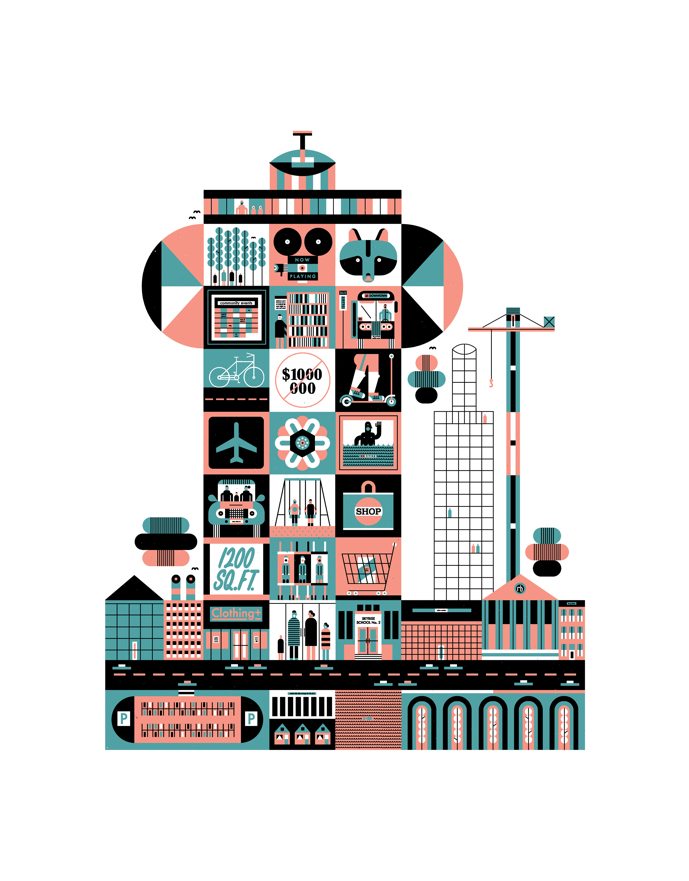
Owning a home is becoming a fantasy for all but the wealthiest families. Better urban planning is part of the solution. Adjusting our expectations may be another Read More
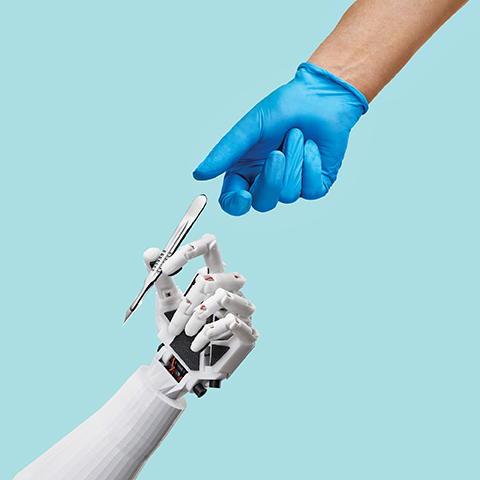
Doctors will soon use artificial intelligence to help diagnose and treat patients, opening up new possibilities for better health Read More
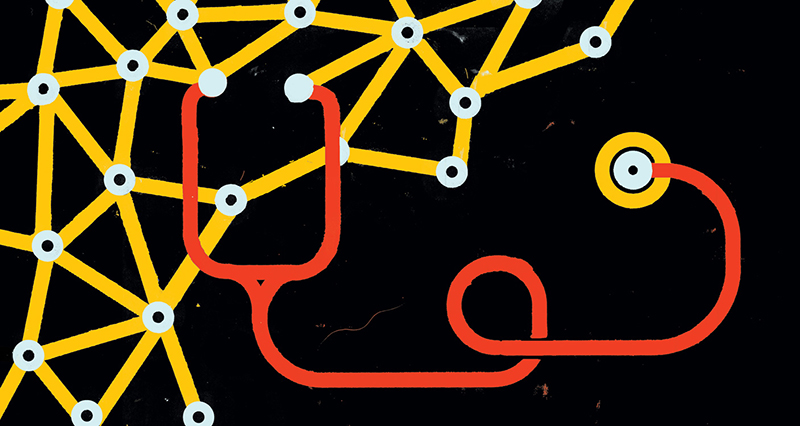
A U of T research team is examining ethical issues raised by the new technology Read More

So far, machines are not very good at creating original art, such as pop tunes and short stories. Could it be they’re missing something uniquely human? Read More
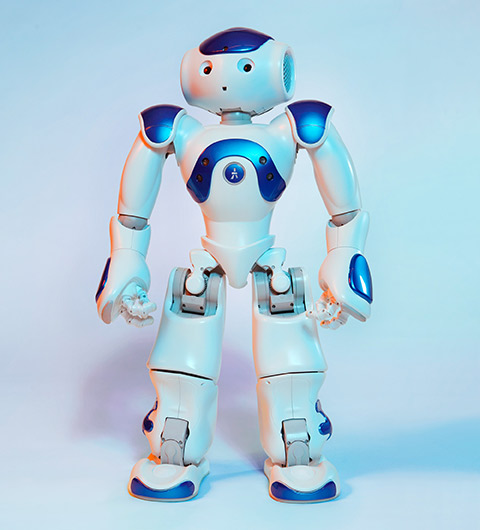
Meet MEDi the robot, who sings, dances and helps young cancer patients feel less afraid Read More

To answer this question, consider this thought experiment Read More
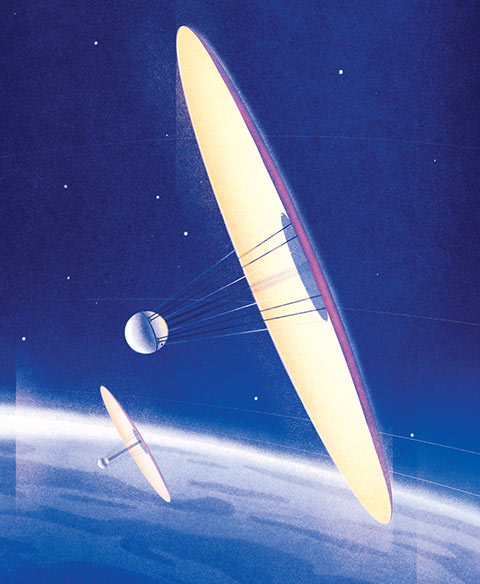
Solar sails could propel ships to other planets – and even stars – with much less fuel Read More
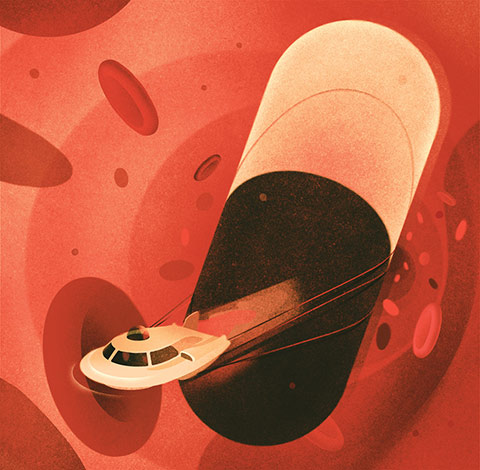
Microscopic machines may soon swim through our bodies, delivering cancer drugs to tumours and assisting with difficult surgeries Read More
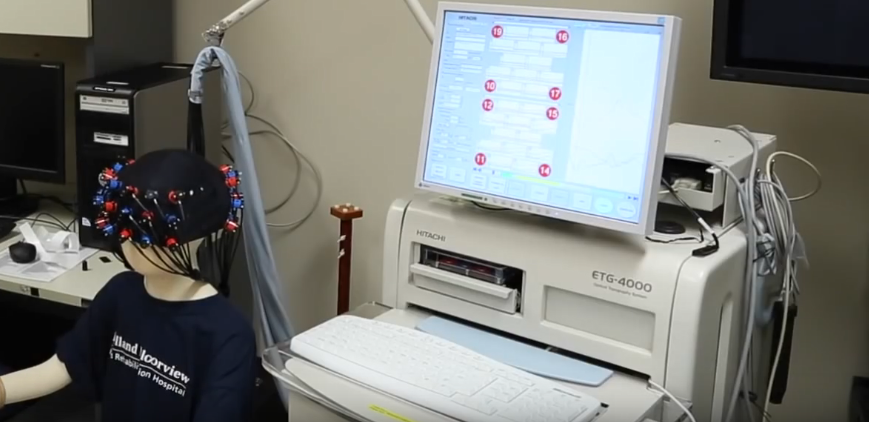
Prof. Tom Chau’s lab can already tell what word you’re thinking of, or if you’re singing a song to yourself Read More

A computer science alum has created a technology that turns the web into a virtual world Read More

Research on mice reveals that specific memories can be weakened. Could this one day help treat the effects of trauma in humans? Read More
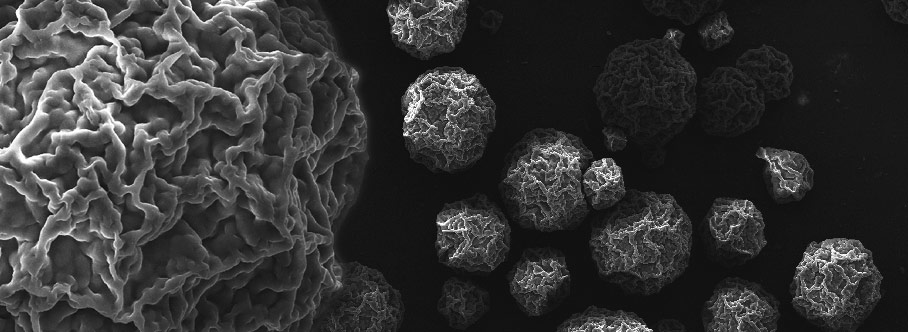
Prof. Michael Sefton imagines being able to treat diabetes with a single injection Read More
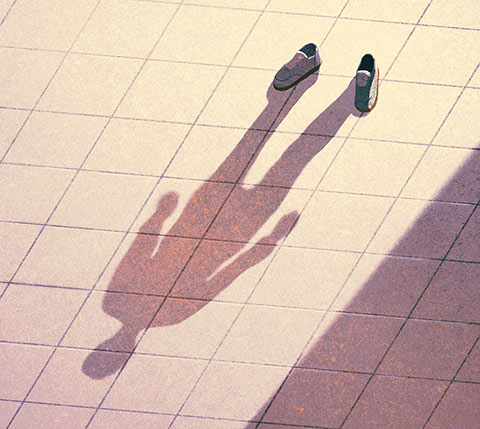
Prof. George Eleftheriades is developing a radar-evading technology that he thinks could be used one day to make anything invisible Read More
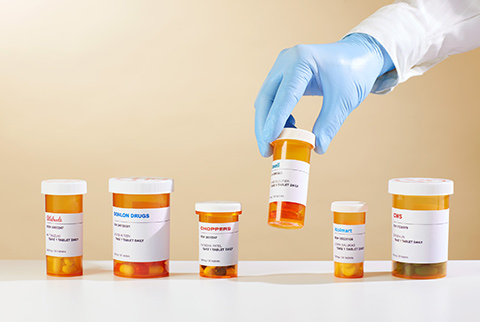
A U of T doctor is leading efforts to review the medical evidence for more than 2,200 commonly prescribed drugs Read More

A U of T professor is using serious processing power to understand what role the world’s oceans play in climate change Read More
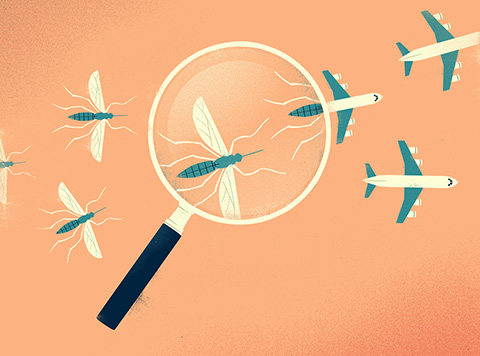
Climate change adds a new wrinkle in the quest to get out in front of epidemics Read More